1904 ALESSANDRO MORESCHI Last CASTRATO SOPRANO Cesare Boezi GREGORIAN CHANT
  $   295


$ 295 Sold For
Mar 10, 2021 Sold Date
Feb 27, 2021 Start Date
1 Number Of Bids
  USA Country Of Seller
eBay Sold at
 
save auction  

Description

A series of great Violin, Piano and Orchestra records on rare labels, from 1902 Monarch to 1940 War Germany recordings.

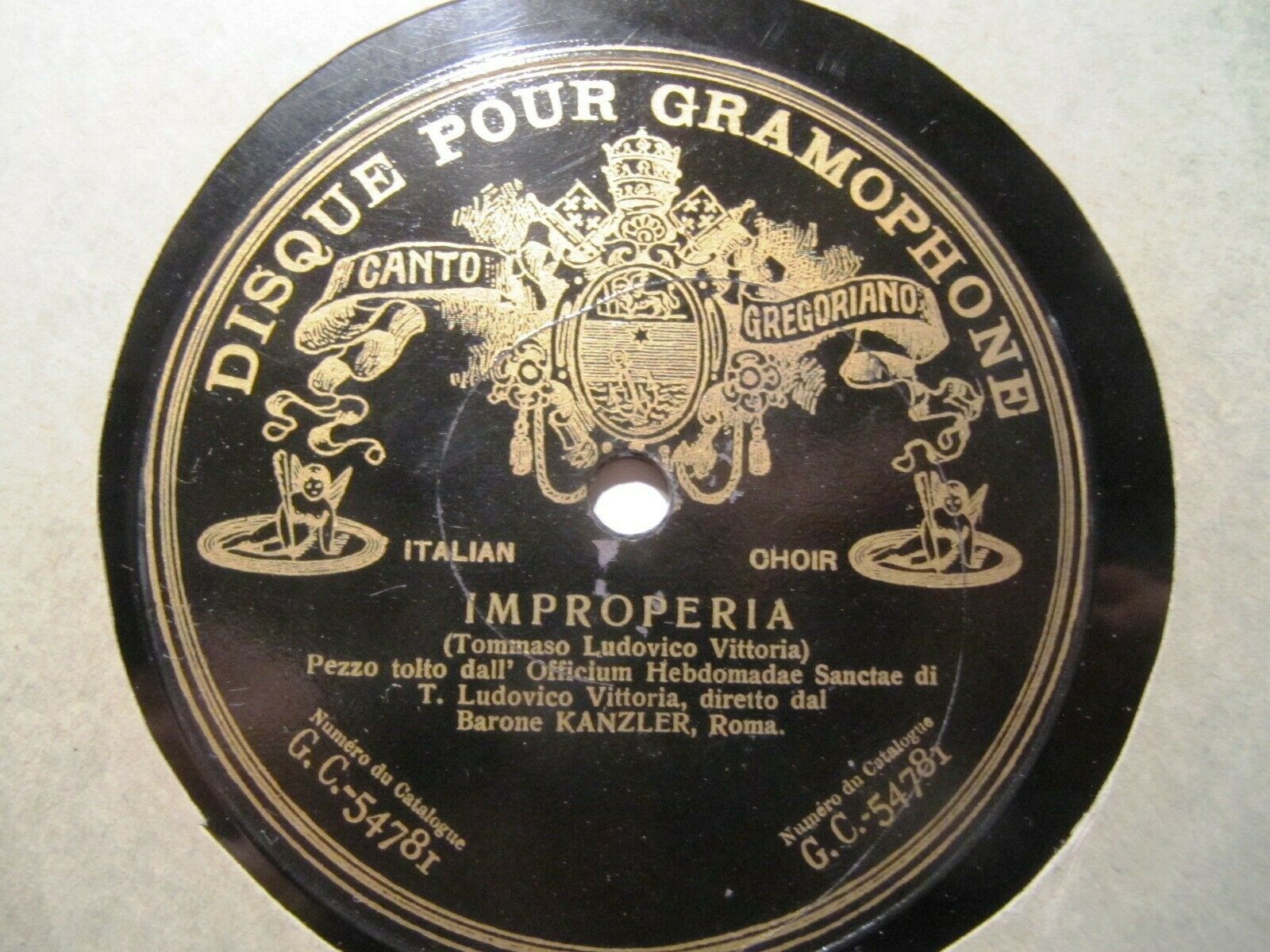
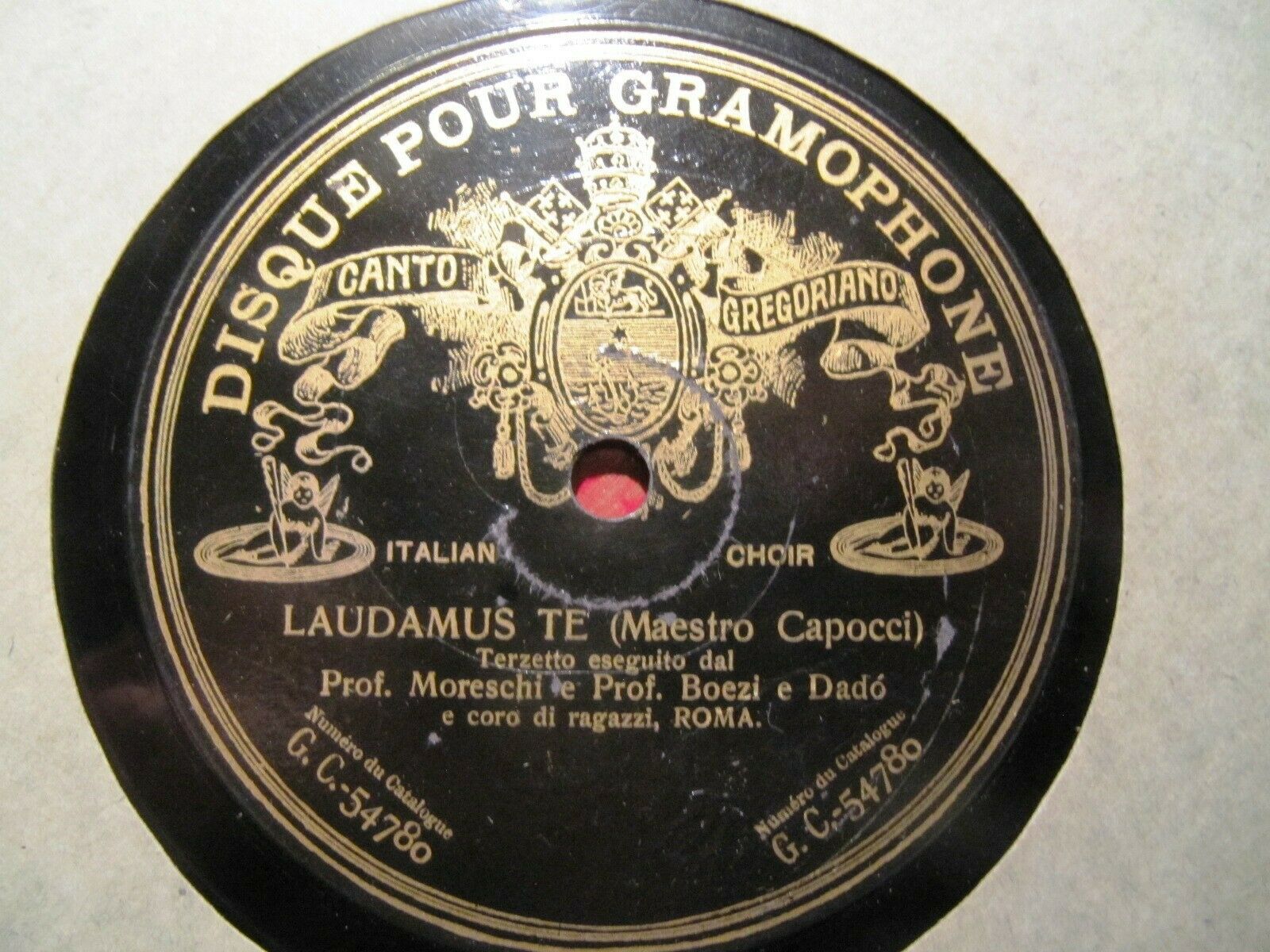
ALESSANDRO MORESCHI in his 1904 G&T recording

With the special G&T Era Papal Crest CANTO GREGORIANO Label of Pope Pius X

Laudamus te - Messa di San Bonaventura (Work title) 

Filippo Capocci (composer) 

Alessandro Moreschi (vocalist : soprano vocal) 
Cesare Boezi (vocalist : tenor vocal) 
Augusto Dado (vocalist : bass vocal) 
Coro di Ragazzi (Vocal group) 
Alessandro Moreschi (choral director) 
William Sinkler Darby (recordist) 
Description: Vocal trio (male soprano, tenor, and bass), with piano, organ, and vocal chorus
Language: Latin

Apr. 1904 Rome, Italy

//

Improperia / (Tommaso Ludovico Vittoria)
Interpretation: Pezzo tolto dall' Offizium Hebdomadae Sanctae di T. Ludovico Vittoria, diretto dal Barone Kanzler, Roma. [Aufnahme: Rom, 11. April 1904]


This is the only recorded and surviving voice of a castrato from a series of early recordings from the Vatican at the beginning of the 20th century. A recording of "Oremus pro pontifice" by Emilio Calzanera, sung by the last surviving castrato of the Pope's choir, Alessandro Moreschi (1858-1922). Moreschi, as the only castrato trained in the old traditions to be recorded, provides our only insight into what a lost musical tradition was like. The recording was made on April 11, 1904, celebrating 1300th anniversary of St Gregory the Great, during the pontificate of pope Pius X. The Vatican Choir accompanies the last castrato, called "Angel of Rome" with 1200 singers. All of Moreschi's recordings were made in Rome in two sets of recording sessions for the Gramophone & Typewriter Company. The first series of recordings were made on 3 and 5 April 1902 by Fred Gaisberg and Will Gaisberg. Eighteen usable sides by the members of the Sistine Chapel Choir were captured on wax, four of them solos by Moreschi. Decades later Fred Gaisburg recalled making these historic first recordings in the Vatican: "Selecting a great salon with walls covered with Titians, Raphaels, and Tintorettos, we mounted our grimy machine right in the middle of the floor." The second set of recordings was made in Rome in April 1904, under the direction of W. Sinkler Darby.

early pressing with raised rim 10" 78 rpm record.

Condition: EXCELLENT close to pristine, plays E+ Exceptionally quiet, quick swish before music
 
A CHOICE COPY


price rating