BEATLES: VEE JAY COUNTERFITs
$
45


Favourite Auctions
To save auctions to your favourites, please login
If you don't have an account, please register
Description
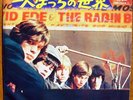
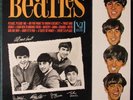
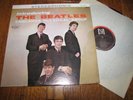
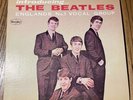
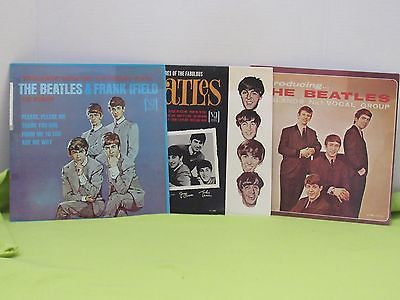
THE DIFFERENCE BETWEEN COUNTERFIT, BOOTLEGED & UNAUTHORIZED OR UNLICENDE RECORDS: Counterfeiting 1. To make an imitation or copy of (something), usually with the intent to defraud: counterfeits money. 2. To make fraudulent copies of something valuable. A bootleg recording is an audio or video recording of a performance that was not officially released by the artist or under other legal authority. The process of making and distributing such recordings is known as bootlegging. Recordings may be copied and traded among fans of the artist without financial exchange, but some bootleggers have sold recordings for profit, sometimes by adding professional-quality sound engineering and packaging to the raw material. Bootlegs usually consist of either unreleased studio recordings or live performances, with an unpredictable level of quality. The concept of releasing unauthorised performances had been established before the 20th century, but reached new levels of popularity with Bob Dylan's Great White Wonder, a compilation of studio outtakes and demos released in 1969 using low-priority pressing plants. The following year, the Rolling Stones' Live'r Than You'll Ever Be, an audience recording of a late 1969 show, received a positive review in Rolling Stone. Changing technologies have affected the recording, distribution, and varying profitability of the underground industry. The copyrights for the song and the right to authorise recordings often reside with the artist, according to several international copyright treaties. The recording, trading and sale of bootlegs continues to thrive, however, even as artists and record companies attempt to provide officially-released alternatives to satisfy the demand. The word "bootleg" originates from the practice of smuggling illicit items in the legs of tall boots, particularly the smuggling of alcohol during the American Prohibition era. The word, over time, has come to refer to any illegal or illicit product. This term has become an umbrella term for illicit, unofficial, or unlicensed recordings, including vinyl LPs, silver CDs, or any other commercially sold media or material. The alternate term ROIO (an acronym meaning "Recording of Indeterminate / Independent Origin) or VOI (Video....) arose among Pink Floyd collectors, to clarify the recording source and copyright status was hard to determine. Although unofficial and unlicensed recordings had existed before the 1960s, the very first rock bootlegs came in plain sleeves with the title rubber stamped on it. However, they quickly developed into more sophisticated packaging, in order to distinguish the manufacturer from inferior competitors. With today's packaging and desktop publishing technology, even the layman can create "official" looking CDs. With the advent of the cassette and CD-R, however, some bootlegs are traded privately with no attempt to be manufactured professionally. This is even more evident with the ability to share bootlegs via the Internet. Bootlegs should not be confused with counterfeit or unlicensed recordings, which are merely unauthorised duplicates of officially released recordings, often attempting to resemble the official product as close as possible. Some record companies have considered that any record issued outside of their control, and for which they do not receive payment, to be a counterfeit, which includes bootlegs. However, some bootleggers are keen to stress that the markets for bootleg and counterfeit recordings are different, and a typical consumer for a bootleg will have bought most or all of that artist's official releases anyway. ***The following selection of records are in excellent to near mint condition. No scratches, niks or chips. The album covers vary from good to near mint with the majority being extra fine. Some album covers exhibit white or color labels with the album name, name of previous owner, beats per minute or news release about the album or the artist. These records were part of the Peter R. Russo Jr. (aka; DJ Biffy) collection. Peter was a well respected DJ and audio engineer from Miami, Florida. Pete spent more then 50 years in the business and has engineered a number of concerts in South Florida as well as made appearances on a many radio shows. His passing has been a great loss. Quality code is as follows: LN = Like New. XF = Extra Fine. VF = Very Fine. Example: LN/XF means the record is like new and the album cover is extra fine. w/l indicates labels of ownership, beats per minute or news release. Example: LN/XF w/l. Record is like new, album cover is extra fine with labels. These were DJ records and were cared for as only a DJ would.*** Anyone familar with The Beatles Vee Jay Records knows they are among the most counterifted records on the market. The reason is that Beatles Vee Jay Records command a very high price, often in the range of $500.00 to $5,000.00 with some reaching upwards to $10,000.00. The counterfits are of a poor quality recording and the album covers are often fuzzy in apperance. However, ther is a market for these counterfits, often as a conversation piece. None-the-less, they are still counterift and are offered as such. Thes selection includes the following: THE BEATLES & FRANK INIELD, COUNTERFIT VEE JAY VJLP 1085 in mint condition.***INTRODUCING THE BEATLES: SONGS AND PICTURES OF THE FABULOUS BEATLES, COUNTERFIT VEE JAY VJLP 1092 in mint condition***INTRODUCING THE BEATLES, COUNTERFIT VEE JAY SR 1062 (VSLP 1062) in mint condition.***THIS IS AN AUCTION ITEM ONLY WITH NO RESERVE. WINNER TAKES ALL.
price rating