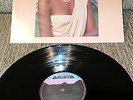
Carlos Embales Y Los Roncos Chiquitos La Voz Del Guaguanco Cuban Rumba LP Import
$
40


Favourite Auctions
To save auctions to your favourites, please login
If you don't have an account, please register
Description
Carlos Embales Y Los Roncos Chiquitos La Voz Del Guaguanco Cuban Rumba LP Import
Shipping only in US no exceptions
Spectacular drumming - took me 2 songs to realize that it is just drummers and singers. Deep, complex rhythms played by masters Esteban Carlos Embale Molina (August 3, 1923 – March 12, 1997) was a Cuban singer. With a sharp voice and wide register, he dominated the interpretation of various dance genres of Antillean music such as bolero, son, guaracha and especially rumba. He is considered one of the top performers of this rhythm. He was vocalist of the Sexteto Boloña and the Orchestra "Melodías del 40", a group that also accompanied the picturesque Trespatines. He was an integral part of Miguel Matamoros' Conjunto Matamoros and in the 70s he became part of the legendary Septeto Nacional de Ignacio Piñeiro. He collaborated with Beny Moré, Mongo Santamaría, Compay Segundo and with the rumbas group of Alberto Zayas "el melodioso". An element to highlight in his career as a singer is his interpretations of sacred music of black roots (Yoruba and abakuá) as well as his unique ability to interpret rumba.
Rumba is a secular genre of Cuban music involving dance, percussion, and song. It originated in the northern regions of Cuba, mainly in urban Havana and Matanzas, during the late 19th century. It is based on African music and dance traditions, namely Abakuá and yuka, as well as the Spanish-based coros de clave. According to Argeliers León, rumba is one of the major "genre complexes" of Cuban music, and the term rumba complex is now commonly used by musicologists. This complex encompasses the three traditional forms of rumba (yambú, guaguancó and columbia), as well as their contemporary derivatives and other minor styles.
Traditionally performed by poor workers of African descent in streets and solares (courtyards), rumba remains one of Cuba's most characteristic forms of music and dance. Vocal improvisation, elaborate dancing and polyrhythmic drumming are the key components of all rumba styles. Cajones (wooden boxes) were used as drums until the early 20th century, when they were replaced by tumbadoras(conga drums). During the genre's recorded history, which began in the 1940s, there have been numerous successful rumba bands such as Los Papines, Los Muñequitos de Matanzas, Clave y Guaguancó, AfroCuba de Matanzas, Carlos Embales and Yoruba Andabo.
price rating