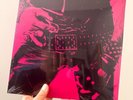
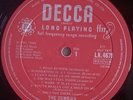
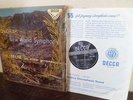
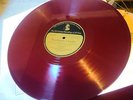
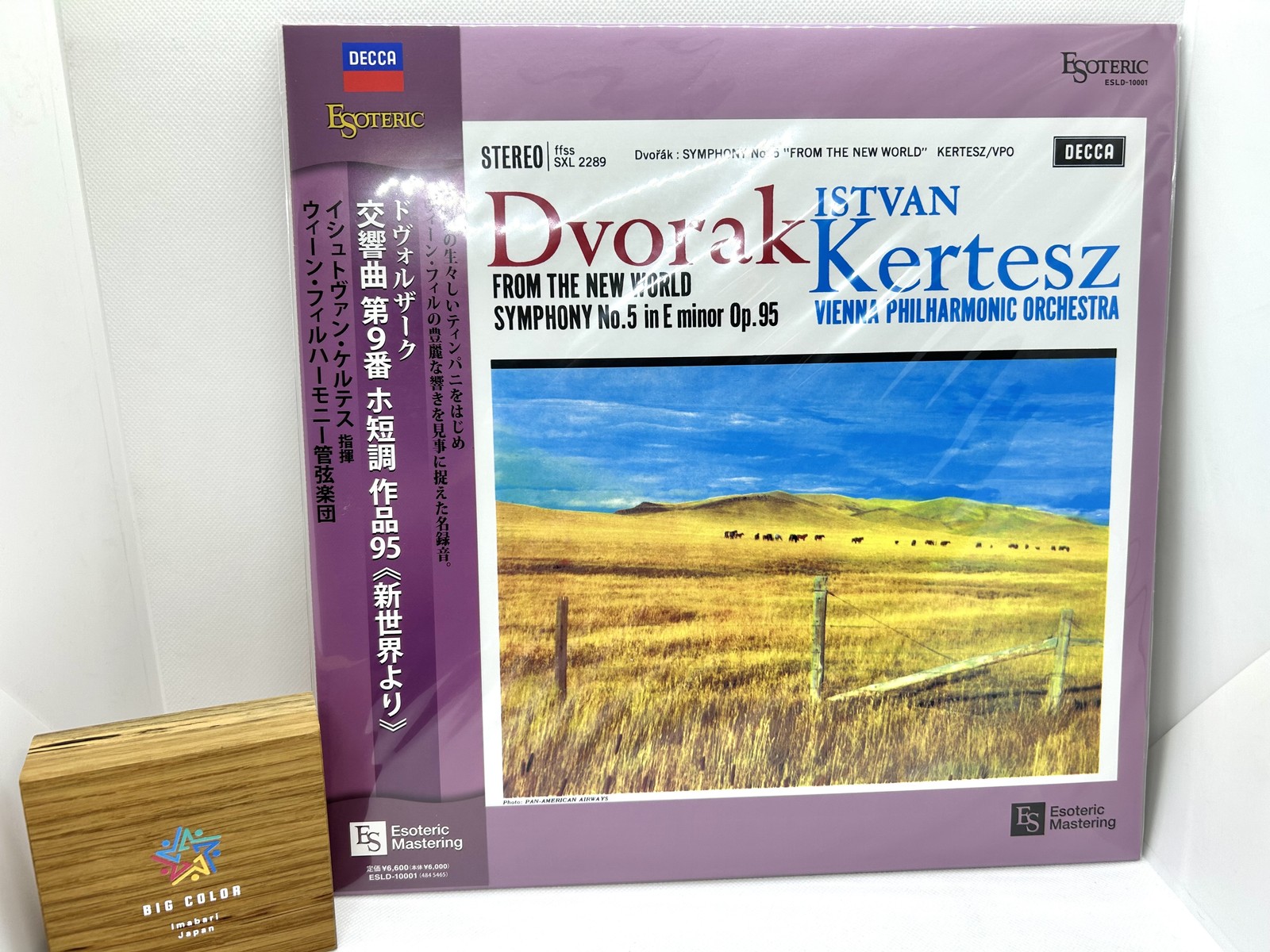
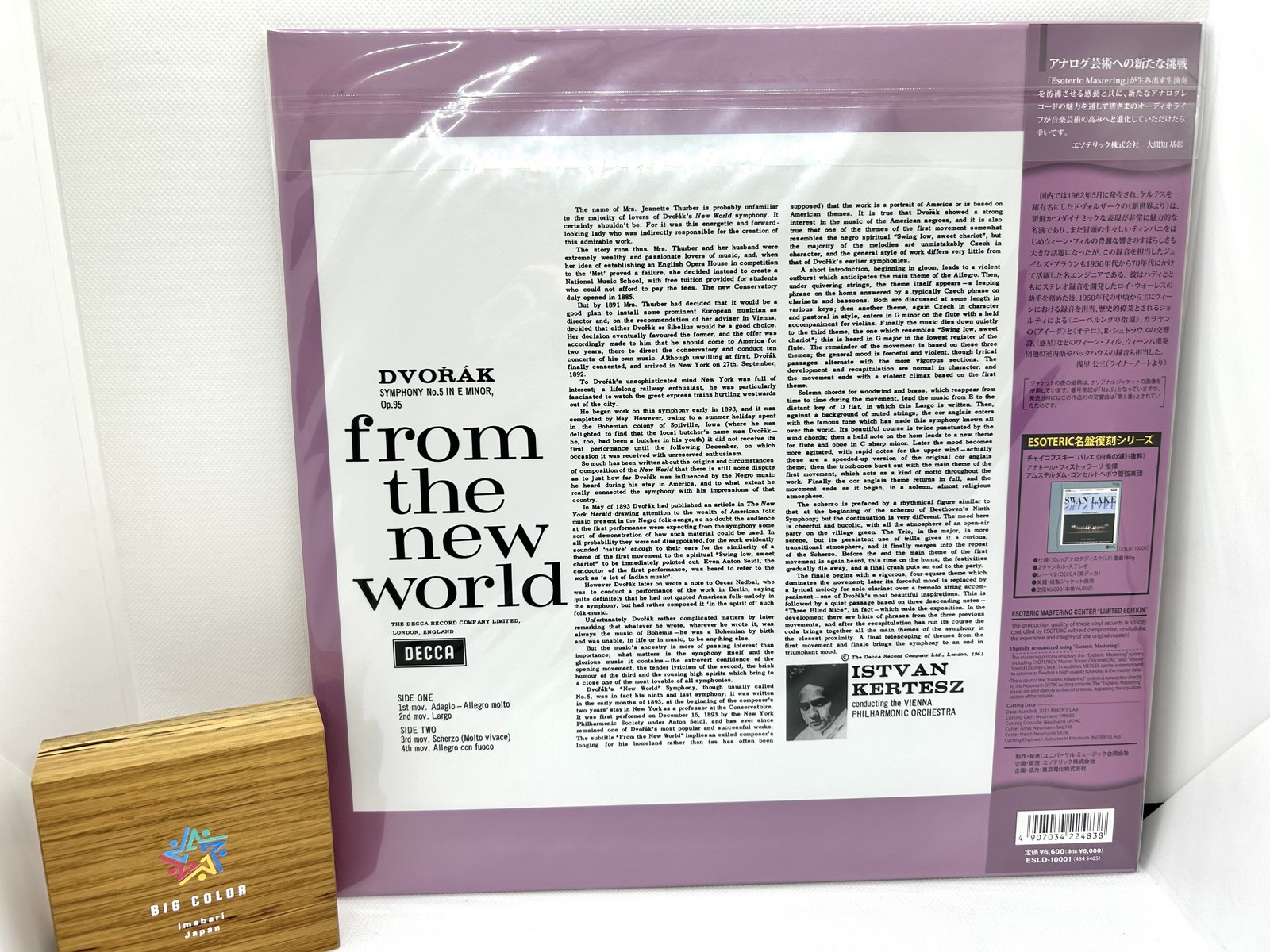
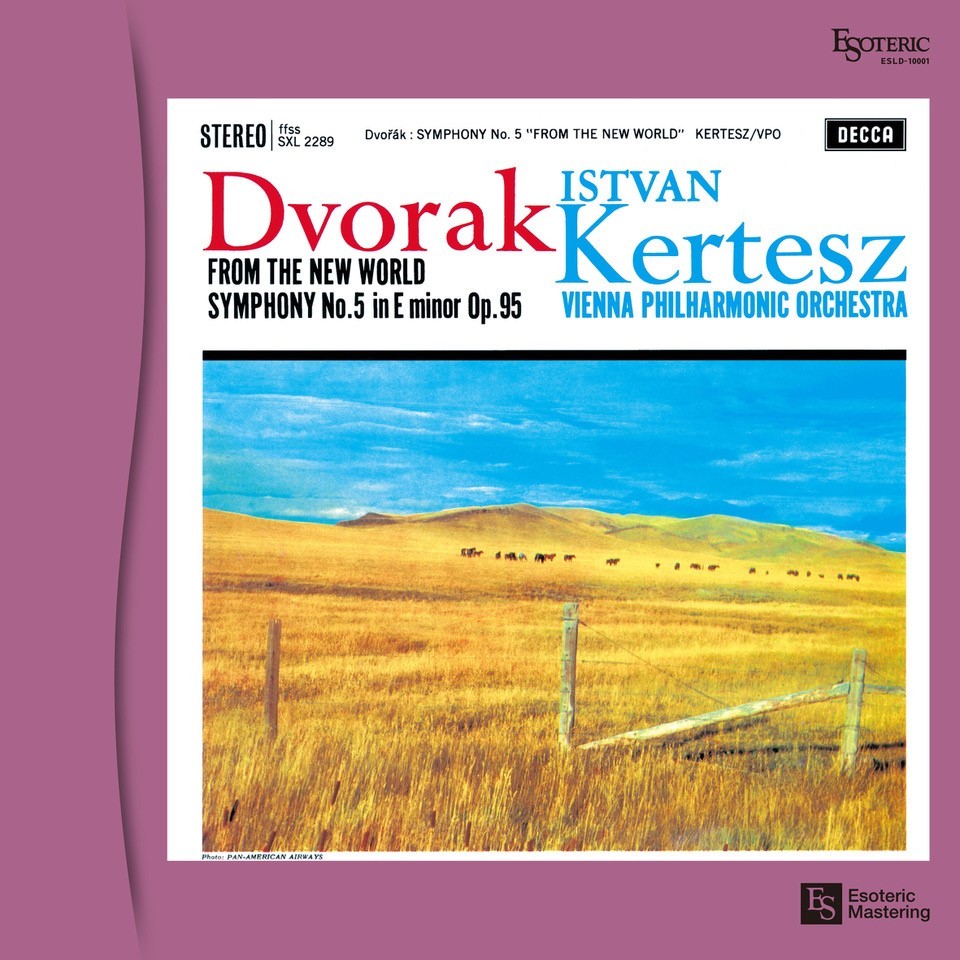
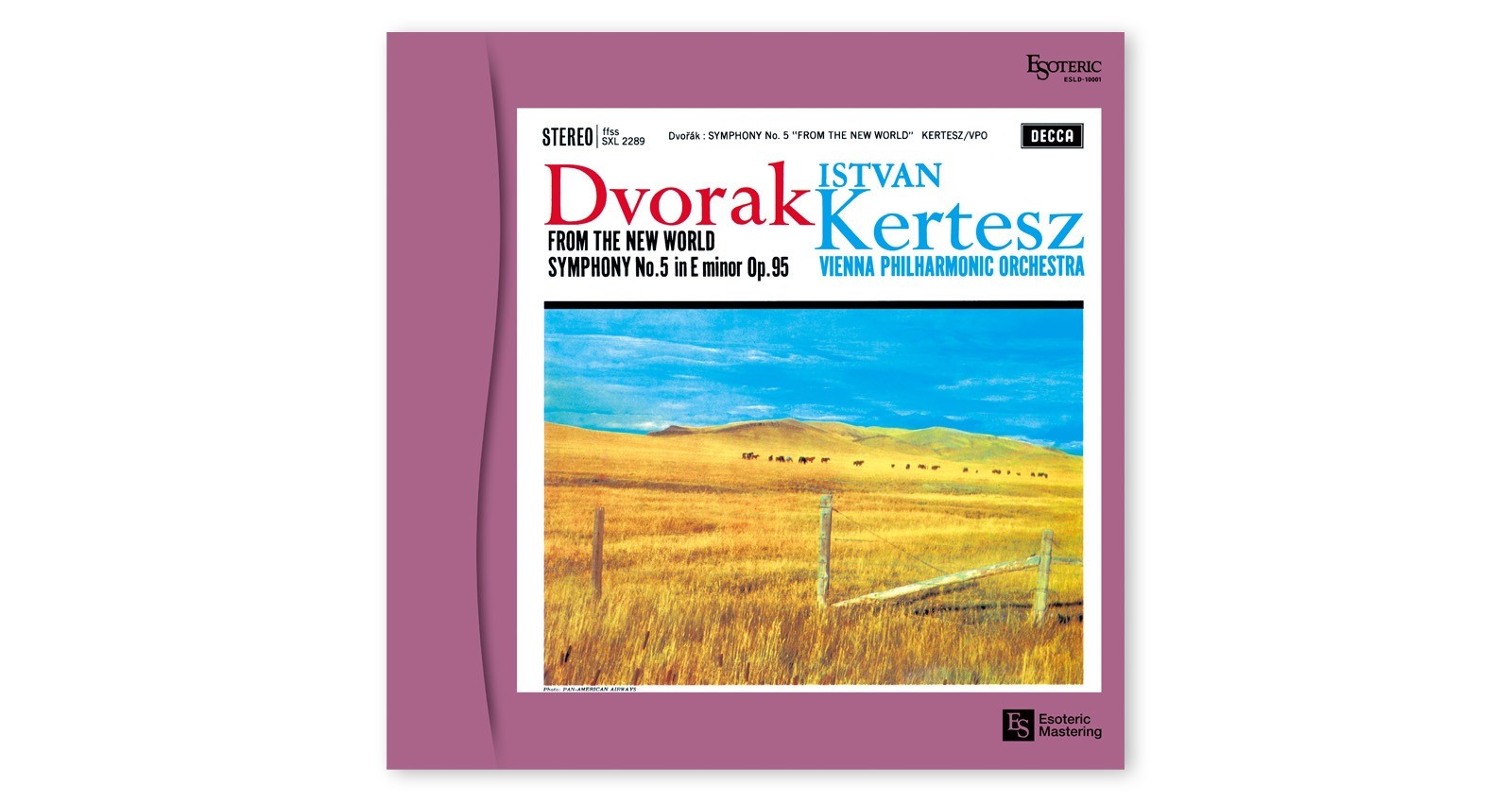
ESOTERIC ESLD-10001 KERTESZ Dvorak From The New World VPO Vinyl Record Remaster
$
150

Favourite Auctions
To save auctions to your favourites, please login
If you don't have an account, please register
Description
Click here to see all products in our store!
* International Buyers - Please Note:
Import Duties & Taxes Policy
United States
All shipments to the U.S. are sent DDP (Delivered Duty Paid). Import duty, taxes and brokerage are prepaid — no extra payment at delivery.
Other Countries
Unless duties/taxes are already collected by eBay at checkout, shipments are sent DDU (Delivered Duty Unpaid) and the buyer is responsible for import VAT/GST, duty, and carrier fees on delivery.
* Description
At the tender age of 32, the young Kertész paints the most dramatic “New World” in recording history alongside the prestigious Vienna Philharmonic.
[Track Listing]
Antonín Dvořák (1841-1904)
Symphony No. 9 in E minor, Op. 95 “From the New World”
[Side A]
1. Movement 1: Adagio - Allegro molto
2. Movement 2: Largo
[Side B]
3. Third Movement: Molto vivace
4. Fourth Movement: Allegro con fuoco
Vienna Philharmonic Orchestra
Conductor: István Kertész
[Recording] March 22-24, 1961, Vienna, Sofienhalle
István Kertész (August 28, 1929 - April 16, 1973) swept through the conducting world of the 1960s as the hope to carry on the Hungarian conducting legacy that began with Nikisch and continued through Fricsay, Ormandy, Szell, and Solti. He served as General Music Director of the Augsburg Opera (1960-1963) , General Director of the Cologne Opera (1964–1973), and Principal Conductor of the London Symphony Orchestra (1965–1968).
He also left numerous legendary recordings with Decca, featuring the Vienna Philharmonic, London Symphony Orchestra, and Israel Philharmonic Orchestra. Tragically, he drowned while swimming in Tel Aviv in 1973, his untimely death deeply lamented.
This album is a monumental recording that marked Kertész's debut on the prestigious Decca label. In Japan in particular, since its release by King Records in 1961, it has been listened to alongside recordings such as the RCA recording by Riner and the Chicago Symphony Orchestra, the Columbia recording by Bernstein and the New York Philharmonic, the Epic recording by Szell and Cleveland, and the DG recording by Karajan and the Berlin Philharmonic, as a standard recording of the “New World” from the analog era. Berli Philharmonic's DG recording, it has been listened to as a standard “New World” recording of the analog era.
The 32-year-old Kertész, utilizing the deep resonance of the venerable Vienna Philharmonic, adds dramatic tempo changes and fills the work with vitality through the spectacular strikes of the timpani and the roar of the brass, creating a thrilling atmosphere reminiscent of a live performance.
Five years later, in 1966, Kertész re-recorded this symphony with the London Symphony Orchestra as part of a complete Dvořák symphony series. While this later recording achieved a matured sophistication in place of the youthful dynamism of the Vienna Philharmonic version, many Japanese music fans still hold the Vienna Philharmonic recording in high regard.
We released it on our SuperAudio CD Hybrid Series (ESSD-90015) in 2008, followed by an analog record (ESLP-10002) in 2009.
This marks the second analog release, coming 14 years later.
Ray Minchill, who oversaw many of Kertész's Decca recordings, produced this session in collaboration with James Brown.
From 1956 until the 1980s, the Sofienhalle in Vienna served as the home ground for Decca's stereo sessions. Built in the first half of the 19th century as a bathhouse, it was later used as a dance hall, and Johann Bogner-Strauß frequently performed there during his lifetime.
This venue was ideal for Decca's recording policy of capturing and reproducing even the smallest details with clarity, and it was here that a series of legendary recordings, synonymous with the Decca sound, were produced, including Solti's legendary Ring cycle.
This recording of “From the New World” is also part of the lineage of “great recordings at the Sofiensaal,” with its well-defined timpani, fragrantly brilliant brass, the distinctive timbres of the woodwinds like the Viennese oboe and clarinet, and the silky yet substantial string section (especially the gritty low strings). Nearly half a century after its recording, the appeal of its vivid sound remains undimmed.
* Shipping
We ship using FedEx, DHL and UPS or Japan Post.
* Payment
We usually ship within 3〜7 business days of receiving cleared payment.
price rating