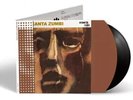
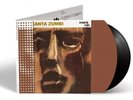
Edu Lobo Edu Canta Zumbi LP Bossanova Brazil MPB jazz samba jorge ben tim maia
$
85
Favourite Auctions
To save auctions to your favourites, please login
If you don't have an account, please register
Description
Brand new, unplayed LP. Imported from ROCINANTES in Brazil!!!!
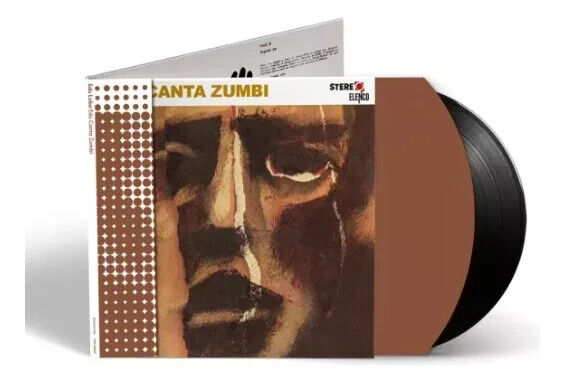
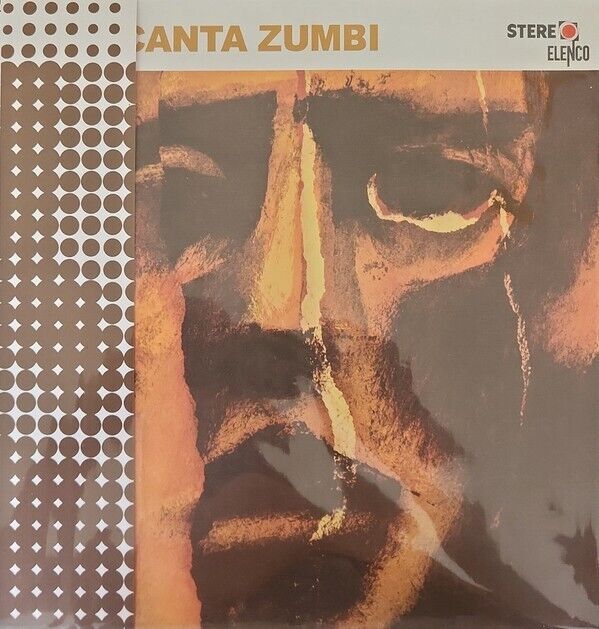
Edu Lobo - Edu Canta Zumbi
Officially released
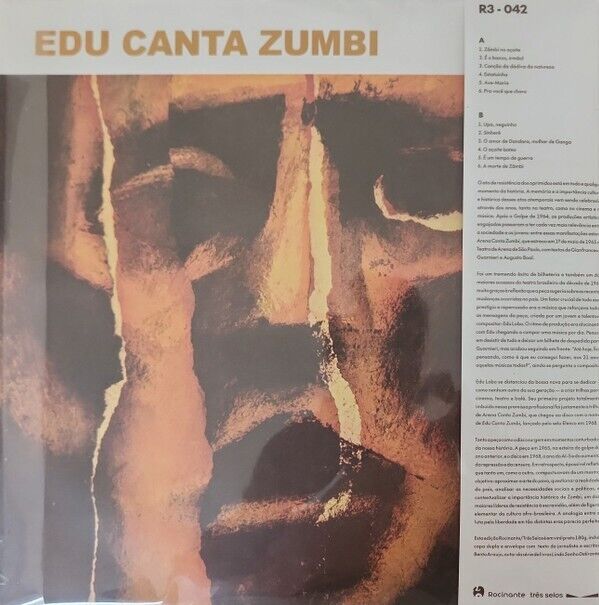
Tracklist Position Title/Credits Duration A1 Zambi No Açoite 2:47 A2 É O Banzo, Irmão 2:54 A3 Cancão Da Dádiva Da Natureza 3:32 A4 Se A Mão Livre Do Negro 2:04 A5 Ave-Maria 2:53 A6 Pra Você Que Chora 2:40 B1 Upa, Negrinho 1:17 B2 Sinherê 3:03 B3 O Amor De Dandara, Mulher De Ganga 3:28 B4 O Açoite Bateu 4:35 B5 É Um Tempo De Guerra 4:15 B6 A Morte De Zâmbi 3:40
The act of resistance of the oppressed is present at every moment in history. The memory and cultural and historical importance of these timeless acts have been celebrated over the years, both in theater, cinema and music. After the 1964 Coup, engaged artistic productions became increasingly relevant among society and young people: among these manifestations was Arena Conta Zumbi, which premiered on May 1, 1965 at the Teatro de Arena in São Paulo, with texts by Gianfrancesco Guarnieri and Augusto Boal.
It was a huge box office success and also one of the greatest successes of Brazilian theater in the 1960s, largely due to the reflection that the play suggested about the recent changes that had occurred in the country. A crucial factor in all this prestige and repercussion was the music that reinforced all the messages of the play, created by a young and talented composer: Edu Lobo. The production pace was frenetic, with Edu composing a song a day. He thought about giving up everything and leaving a farewell note to Guarnieri, but he ended up going ahead: “To this day, I wonder, how did I manage to write all those songs at the age of 21?”, the composer still asks himself.
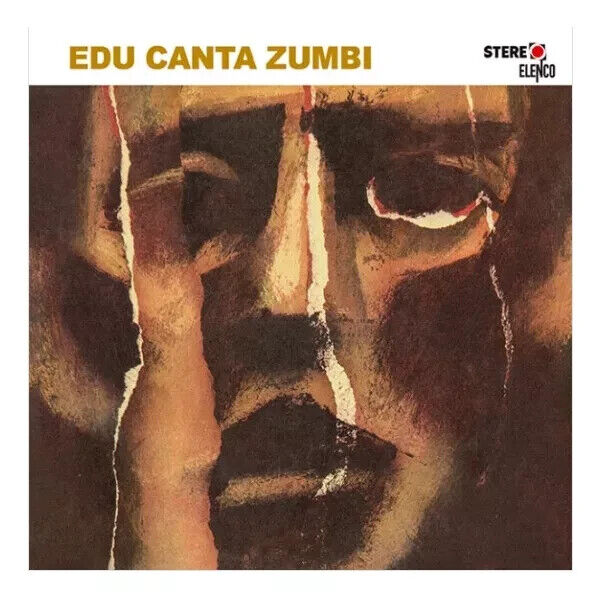
Edu Lobo distanced himself from bossa nova to dedicate himself — like no other of his generation — to creating soundtracks for film, theater and ballet. His first project fully imbued with this professional premise was precisely the soundtrack for Arena Conta Zumbi , which ended up on the album under the name Edu Canta Zumbi , released by the Elenco label in 1968.
Both the play and the album emerged at turbulent times in our history. The play was set in 1965, in the wake of the previous year's coup, and the album was set in 1968, the year of AI-5 and the increase in repression and censorship. In retrospect, it is possible to reflect that both shared the same goal: to bring art closer to the people, question the reality of the country, analyze social and political needs, and contextualize the historical importance of Zumbi, one of the greatest leaders of resistance to slavery, as well as an essential figure in Afro-Brazilian culture. The analogy between the fight for freedom in such different eras seemed perfect.
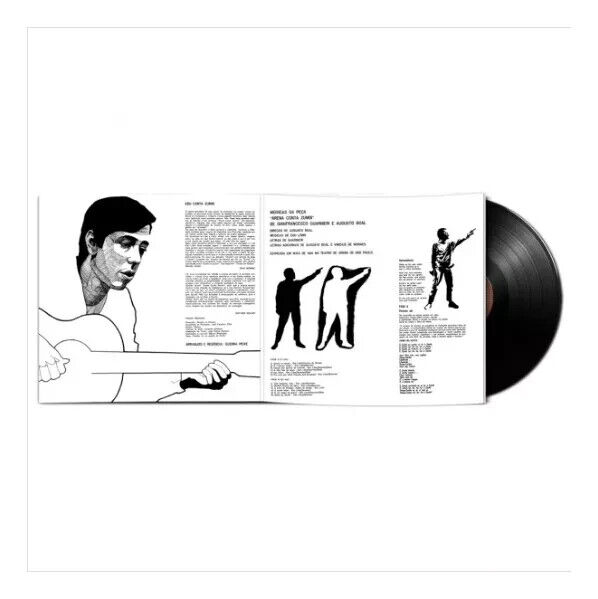
This Rocinante/Três Selos edition is on 180g black vinyl, includes a reproduction of the original artwork on a double cover and a new envelope with text by journalist and writer Bento Araujo, author of the Lindo Sonho Delirante book series .
- 180g black LP - Obi - Special gatefold cover ~ 6 page booklet - Special envelope
Edu Lobo - Edu Canta Zumbi Released in 1965, Edu Canta Zumbi is one of the defining works of Brazilian composer, singer, and guitarist Edu Lobo. This record highlights Lobo's early mastery of the Brazilian music tradition, blending bossa nova with Afro-Brazilian rhythms and poetic storytelling. The album is named after "Zumbi," the historic leader of Palmares, a 17th-century community of escaped enslaved people in Brazil, and serves as a tribute to Afro-Brazilian heritage and resistance.
Lobo's evocative voice and intricate melodies make the album a standout in the MPB canon. Collaborations with Vinícius de Moraes and other prominent lyricists enrich the compositions, reflecting Brazil's complex cultural and historical narrative. Songs from Edu Canta Zumbi often feature lush arrangements and rhythmic diversity, showcasing Lobo's skill in blending traditional Brazilian sounds with innovative musical ideas.
Key Tracks "Zambi" – A powerful, rhythm-driven homage to Afro-Brazilian culture and resistance. "Arrastão" – A cornerstone of Lobo's career, made famous by Elis Regina's performance, blending samba with social themes. "Canto Triste" – A tender, melancholic ballad showcasing Lobo's emotive vocal delivery and lyrical depth. Legacy Edu Canta Zumbi established Edu Lobo as one of Brazil’s most significant musicians during the MPB boom of the 1960s. It exemplifies his commitment to exploring Brazil's cultural roots while innovating within its musical traditions. The album has inspired subsequent generations of musicians and remains a key work for fans of MPB and Brazilian jazz.
50 Similar Artists Edu Lobo’s music resonates with fans of MPB, bossa nova, and Brazilian jazz. These artists complement his style and legacy:
Elis Regina Vinícius de Moraes Tom Jobim João Gilberto Milton Nascimento Chico Buarque Caetano Veloso Gilberto Gil Baden Powell Dori Caymmi Nara Leão Gal Costa Maria Bethânia Djavan Marcos Valle Johnny Alf Dorival Caymmi Zé Keti Geraldo Vandré Paulinho da Viola Clementina de Jesus Quarteto em Cy Clara Nunes Angela Ro Ro Francis Hime João Donato Toquinho Rosa Passos Leny Andrade Yamandu Costa Guinga Leila Pinheiro Monica Salmaso Tania Maria Bebel Gilberto Adriana Calcanhotto Vanessa da Mata Simone Zizi Possi Joyce Moreno Teresa Cristina Sivuca Luiz Bonfá Edu Krieger Hamilton de Holanda Nelson Cavaquinho Pixinguinha Gonzaguinha Martinho da Vila Jair Rodrigues
price rating