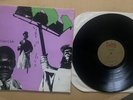
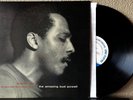
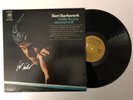
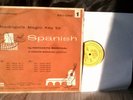
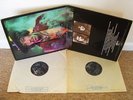
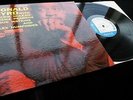
HERBIE HANCOCK Maiden Voyage BLUE NOTE MONO 1965 JAZZ LP RVG EAR EXCELLENT-
$
637


Favourite Auctions
To save auctions to your favourites, please login
If you don't have an account, please register
Description
GREAT Copy:
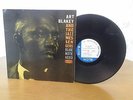
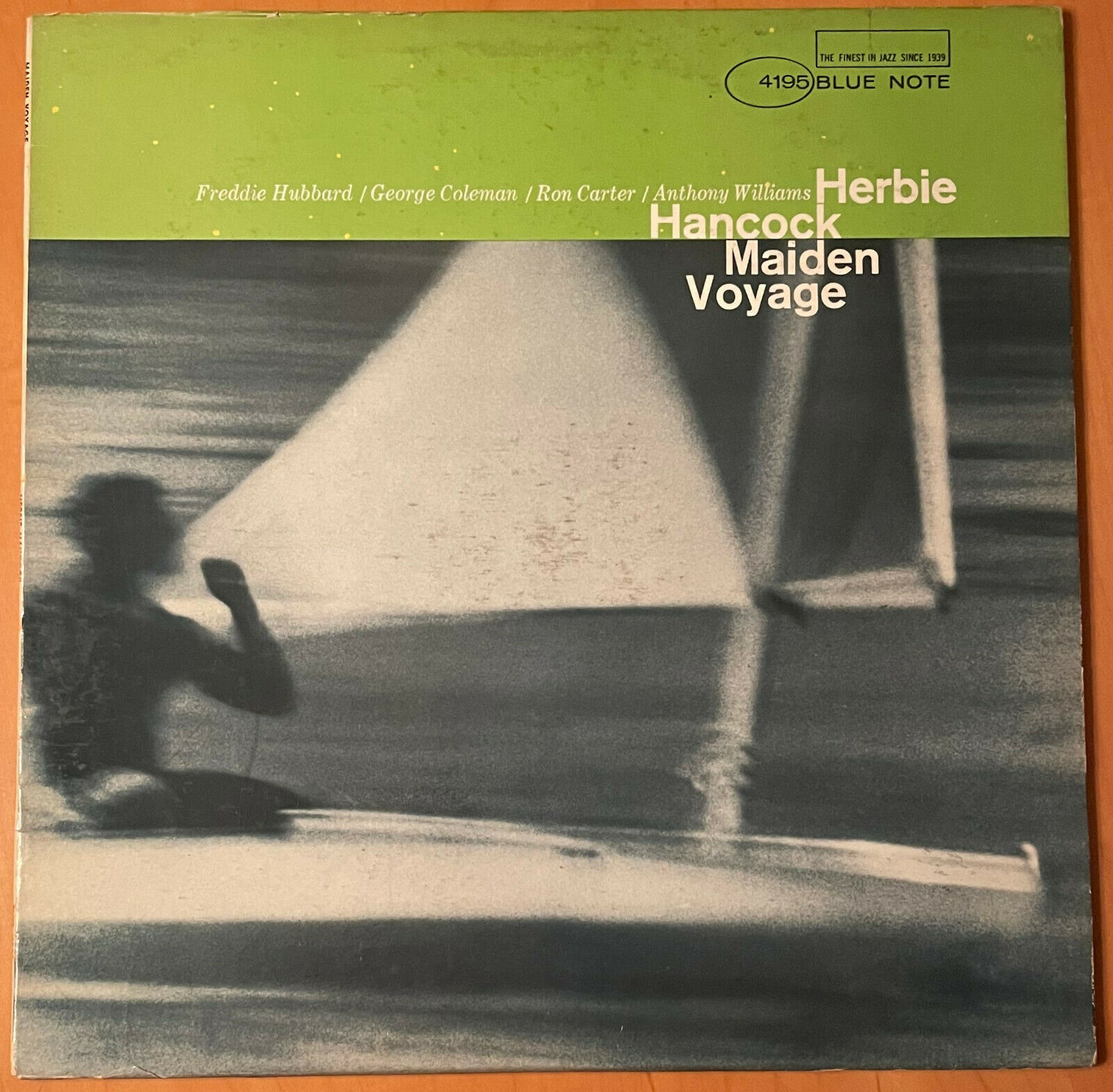
Artist/Title: HERBIE HANCOCK MAIDEN VOYAGE
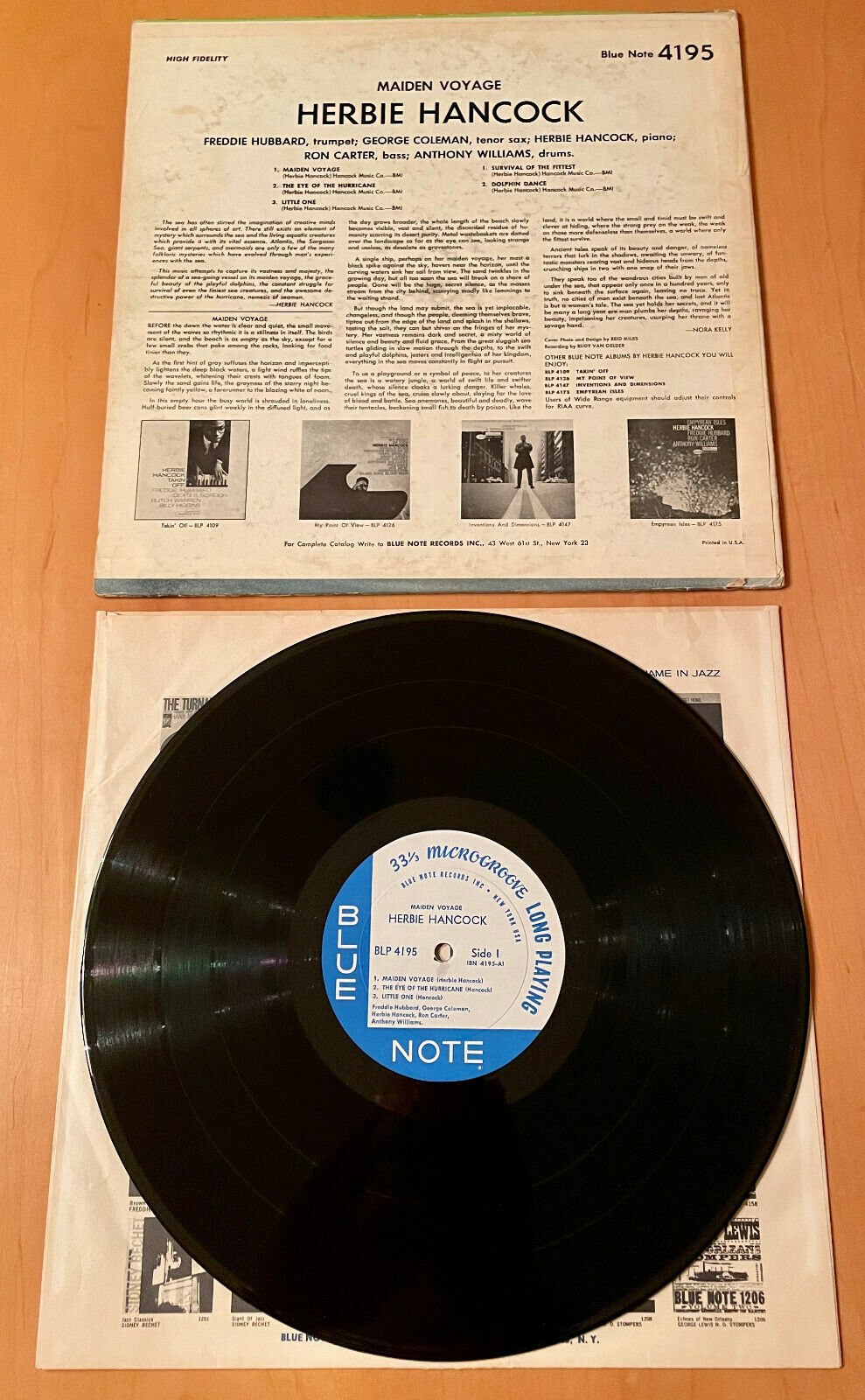
Label: BLUE NOTE 4195 MONO NEW YORK ADDRESS
Made in US: 1965
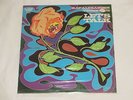
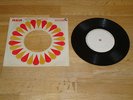
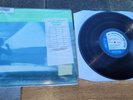
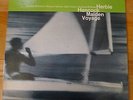
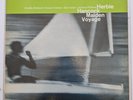
Condition: Record: EX- 7.5/10 Jacket: VG+ 6.5 /10 (see pics)
RATINGS: NM 10/10 NM- 9/10 EX 8/10 VG++ 7/10 VG+ 6/10 VG 5/10 VG- 4/10 G+ 3/10 G 2/10 P 1/10
Shipping: Canada: 15.00 USD
INTERNATIONAL SHIPPING: 1st LP:23.00 2LPs: 30.00 3LPs: 40.00 4LPs: 45.00 depending on weight
All LPs come boxed carefully in corrugated boxes made specifically for LPs, plus the LPs are housed in clear plastic LP sleeves. LP is removed from cover ( except for SEALED LPs) for shipping to prevent seam splitting.
(Handling 1-3 business days, unless out of town, in which buyers will be notified)
Import duties, taxes and charges are not included in the item price or shipping charges. These charges are the buyer's responsibility. Please check with your country's customs office to determine what these additional costs will be prior to bidding/buying.
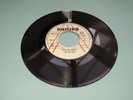
On Jan-14-22 at 14:00:59 PST, seller added the following information: There have questions about Deep Groove First edition pressings. This is not a deep groove but is still a deep groove pressing. Below is a explanation by known Blue Note authority London Jazz Collector:
The groove-type found on a Blue Note record offers a useful indication of the probable date of manufacture, and can help confirm or discount the status of a particular copy being an “original pressing”.
All original Blue Note records manufactured by Plastylite in the 1950s up to late 1961 have a deep groove on both sides of the label central area – the groove being a “trench” around the inner circumference of the label created by the metal die used to hold metal record stampers in place. This applies to both first and subsequent re-pressings during that period.
In Autumn 1961, new dies were introduced at the Plastylite plant, whose residual mark was a single “step” – not a “trench-like” deep groove. The old DG and new non-DG dies were functionally interchangeable and coexisted for some four years, until the last of the old deep groove dies finally became worn out and discarded, in late 1965. During the four years between 1961 and 1965, original pressings appeared with every combination of die types: both DG, both non-DG, and DG only one side or the other.- chriskellyart
price rating