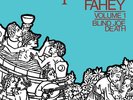
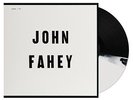
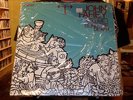
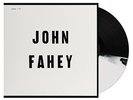
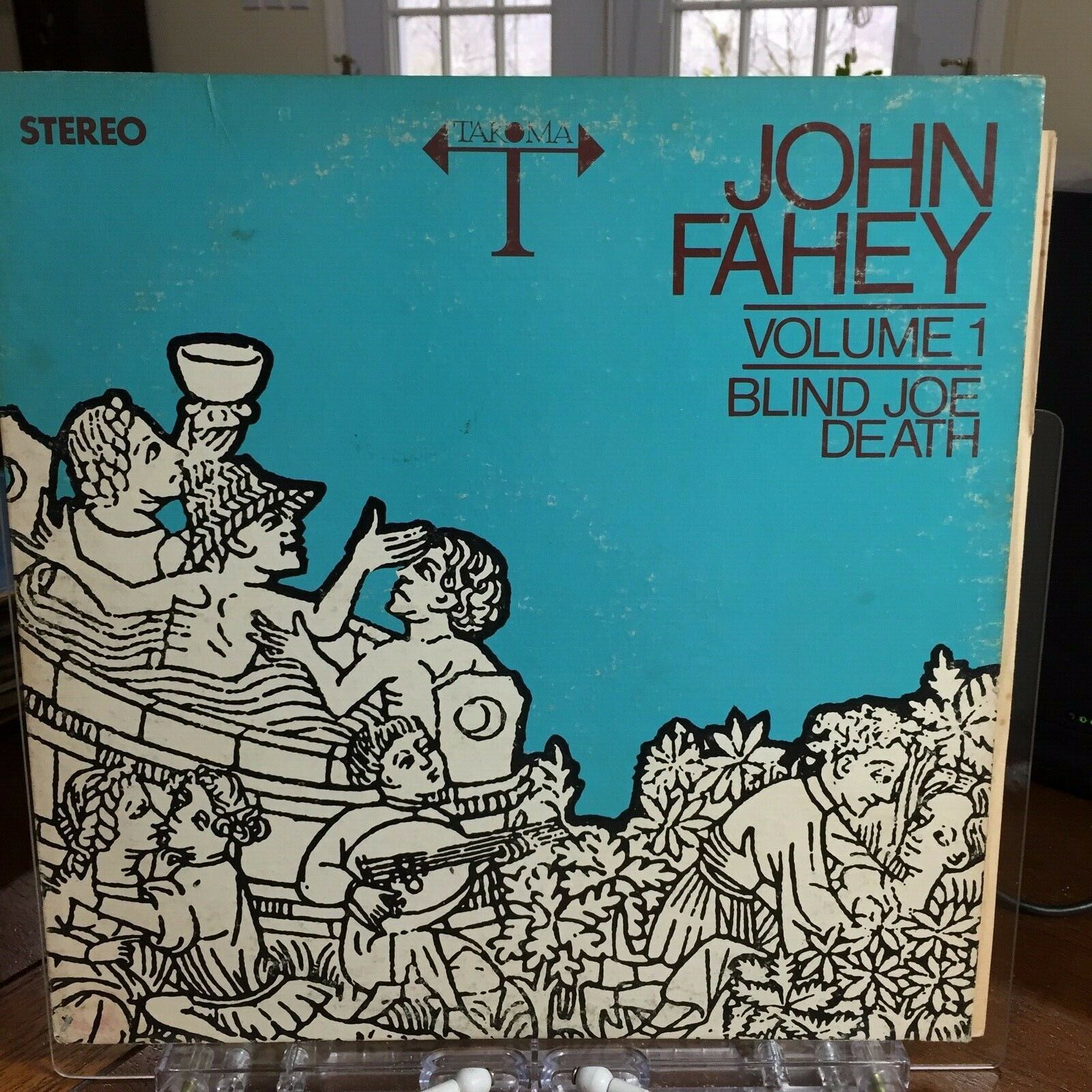
John Fahey Volume 1, Blind Joe Death, Takoma, 1967, C1002, ERROR LP (monaural)
$
20

Favourite Auctions
To save auctions to your favourites, please login
If you don't have an account, please register
Description
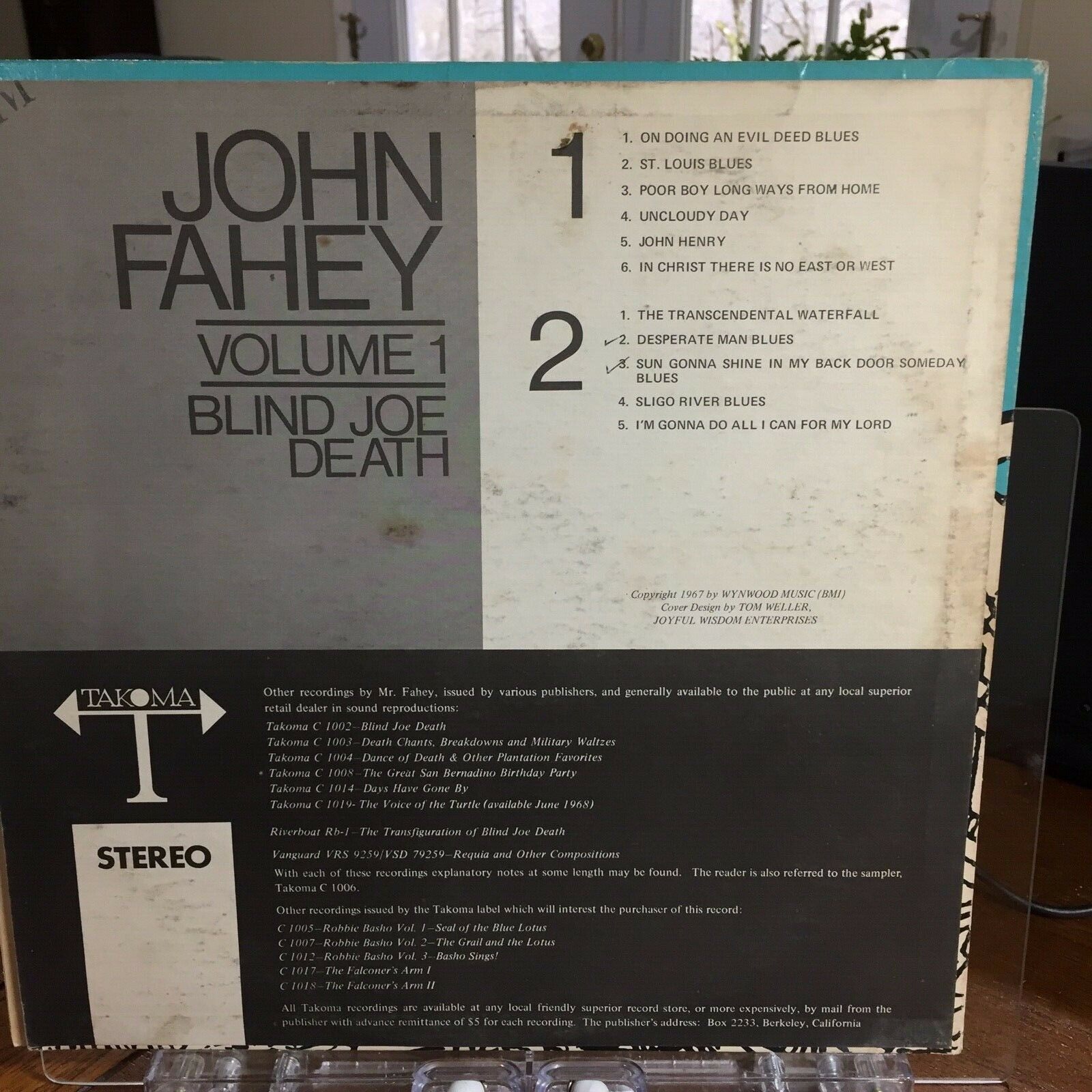
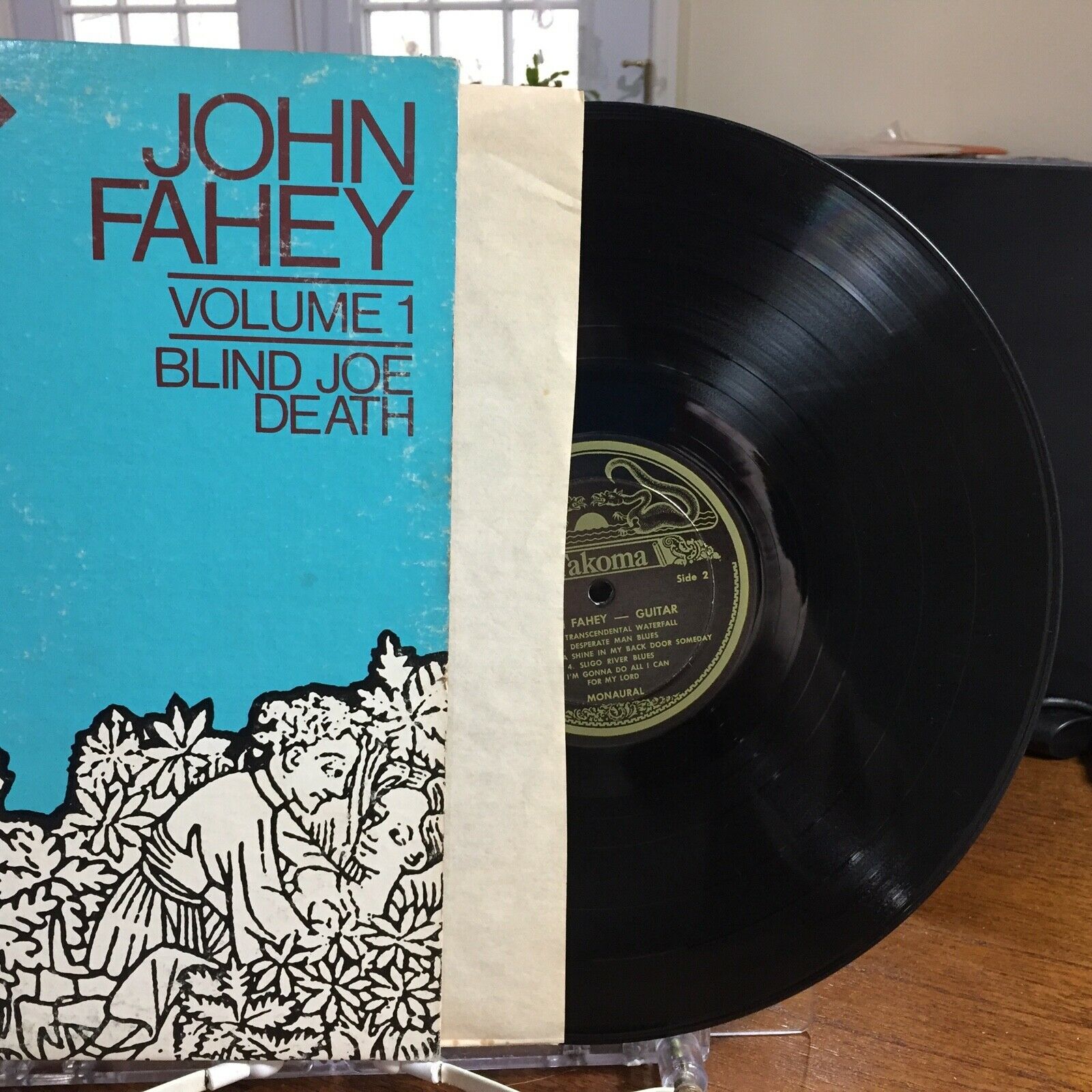
Stock photos are not used. Photos of actual item serve as a description of sleeve condition. Look at them.
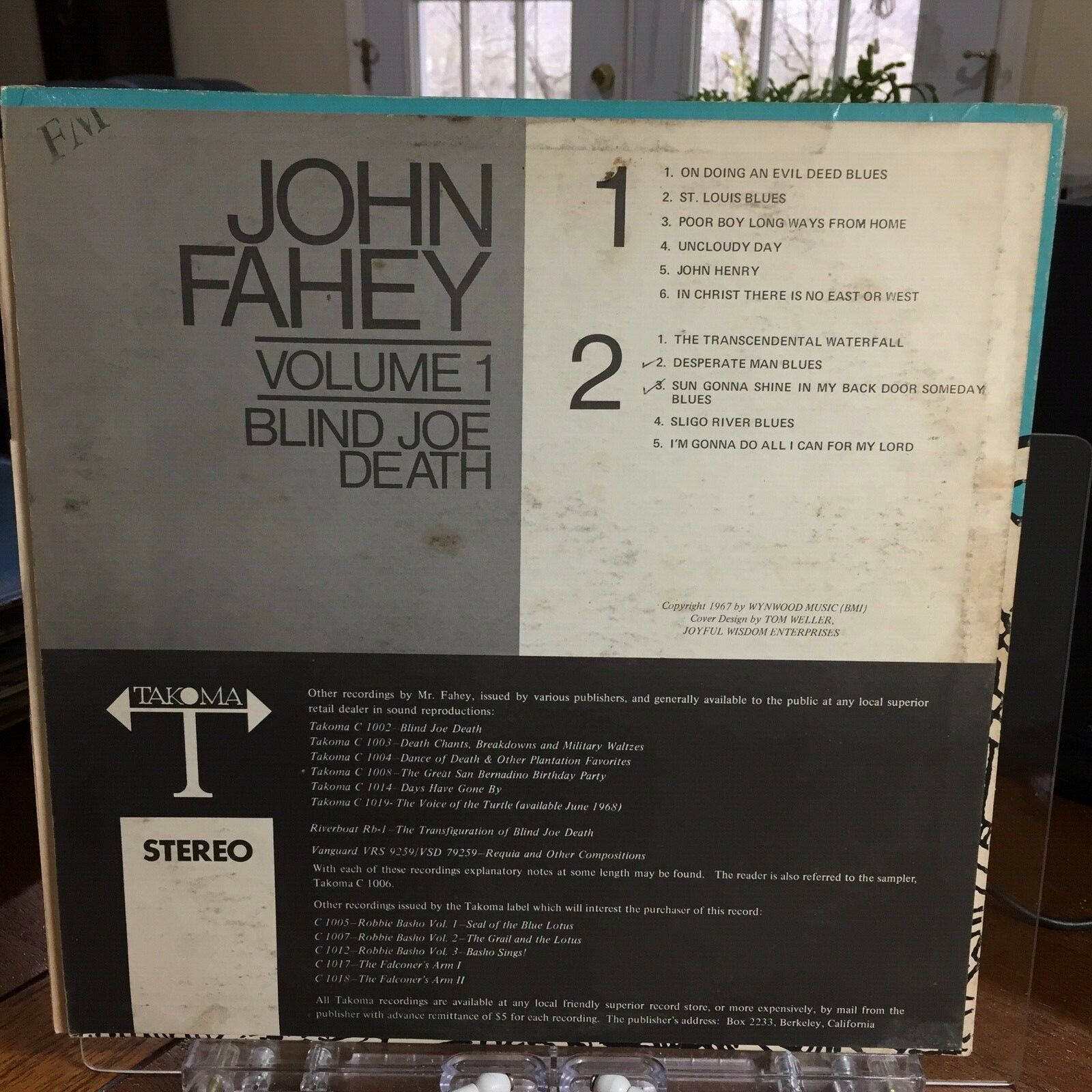
1967 track listing—all tracks re-recorded:
- "On Doing An Evil Deed Blues"
- "St. Louis Blues"
- "Poor Boy Long Ways From Home"
- "Uncloudy Day"
- "John Henry"
- "In Christ There Is No East Or West"
- "The Transcendental Waterfall"
- "Desperate Man Blues"
- "Sun Gonna Shine In My Back Door Someday Blues "
- "Sligo River Blues"
- "I'm Gonna Do All I Can For My Lord"
Blind Joe Death is the first album by American fingerstyle guitarist and composer John Fahey. There are three different versions of the album, and the original self-released edition of fewer than 100 copies is extremely rare.
The recording of steel-string acoustic guitar solos was "incredibly avant-garde" in 1959. It was released on Takoma Records, Fahey's own label. It was not marketed and made no impression on the American record-buying public.[1]
Its popularity, significance in guitar music, and critical reception have grown over the years. The music historian Richie Unterberger characterized Blind Joe Death as "a very interesting record from a historical perspective...as few if any other guitarists were attempting to interpret blues and folk idioms in such an idiosyncratic fashion in the late '50s and early '60s."[2] Richard Cook of the NewStatesman wrote, "Only 100 copies were pressed. Incredibly, it was still enough of a milestone to secure him an almost worldwide reputation."[3]
On April 6, 2011, the album was deemed by the Library of Congress to be "culturally, historically, or aesthetically important" and added to the United States National Recording Registry for the year 2010.[4]
Initially released in 1959 in a very limited edition, one side of the record was credited to a mythical bluesman named Blind Joe Death, while the other side was credited to Fahey himself.[5] It was one of the first albums recorded and produced by an independent artist. Self-released on Takoma Records, the label didn't formally exist until 1963 when Fahey and ED Denson formed a partnership with record distributor Norman Pierce.[6] Barry Hansen wrote in 1972, "John Fahey is the original underground musician. Dylan was still at Hibbing High School when John Fahey made his first record."[7]
Fahey's earliest recordings were released on custom edition 78-rpm discs released by Fonotone, a record company run by his friend Joe Bussard.[8][9] In 1959 Fahey made his own record, recorded in his hometown of Takoma Park, Maryland, and pressed by RCA Custom Recorders. He pressed only 100 copies using money he earned pumping gas at a local station and a loan of $300 from an Episcopal minister. Some of the copies were broken on their way from the plant and others given away to friends. Fahey sent copies to folklorists and scholars around the country. He also planted copies in record stores and Goodwill bins for lucky customers to come across. The remainder were slowly sold over a period of four years.[1][10]
The material Fahey was playing and composing was unique in 1959. As influential musicologist and friend Dick Spottswood related, "He was not someone who was going with what we perceived as the mainstream at that time. Don't forget those were the days when rhythm and blues were all of a sudden being marketed to the white audiences called by a new name, rock 'n' roll, and John certainly wasn't interested in doing any of that... he wasn't doing any of those things that people made a living at on that instrument in those days."[1]
The name for the mythical mentor came at a friend's suggestion. In an interview with Stefan Grossman in the 1980s, Fahey stated, "The reason it said "blind" is because a lot of the people I learned from were on old 78 RPM records and a lot of them were blind, and their names were Blind Willie Johnson, Blind Boy Fuller, Blind Joe Taggart, on and on, a whole bunch of them were blind. Also I was thinking, when ever you print the word 'Death' people look at it and I was thinking of record sales already even though I was only going to have a hundred copies pressed."[5] Years later Fahey related, "The whole point was to use the word 'death'." Blind Joe Death was my death instinct. He was also all the Negroes in the slums who were suffering. He was the incarnation, not only of my death wish, but of all the aggressive instincts in me."[11]
For years Fahey and Takoma continued to treat the imaginary guitarist Blind Joe Death as a real person, including booklets with their LPs containing biographical information about him including the "fact" that he had a guitar made from a baby's coffin and that he had taught Fahey to play.[12] Fahey sometimes incorporated the myth of Blind Joe into his performances, wearing dark glasses and being led by the arm onto the stage.[13][14]
Legacy[edit]
On April 6, 2011, the album was deemed by the Library of Congress to be "culturally, historically, or aesthetically important" and added to the United States National Recording Registry for the year 2010.[4]
In a 2001 interview with VH1 discussing the influence and legacy of Fahey, Barry Hansen, a longtime friend and collaborator, said of Fahey's early career, "He basically started the whole idea of playing new music on traditional acoustic steel-string guitar. He was the original underground artist." The guitarist Leo Kottke said of Fahey, "John created living, generative culture. With his guitar and his spellbound witness, he synthesized all the strains in American music and found a new happiness for all of us. With John, we have a voice only he could have given us; without him, no one will sound the same."[23]
price rating