KRAFTWERK: AUTOBAHN, RARE 1979 JAPANESE VINYL ALBUM WITH OBI-STRIP BT-8103 (NEW)
£
20
$
26


Favourite Auctions
To save auctions to your favourites, please login
If you don't have an account, please register
Description
KRAFTWERK: AUTOBAHN - RARE 1979 JAPANESE VINYL ALBUM WITH OBI-STRIP BT-8103 (NEW)
KRAFTWERK: Autobahn - Rare Japanese 1979 edition of the 5-track vinyl LP, released on Philips Records.
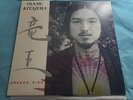
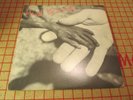
With unique front cover pasted picture sleeve variant, with Kraftwerk reflected in the front mirror of the automobile.
The back cover is also unique with the 'Profile Of Kraftwerk' in Japanese script printed on the back.
The album also has it's very rare red, black & white wide obi-strip BT-8103 filled with more Japanese script.
Inside sleeve is a clear see-through sleeve.
This is a new album that has never been played.
There is some very slight wear to the cover's corners and the top & bottom of the rare obi-strip due to it's age.
ALBUM DETAILS
Autobahn is the fourth studio album by German electronic band Kraftwerk, recorded in 1974 at Conny Plank's Studio, Köln, Germany.
Artist: Kraftwerk. Album: Autobahn. Track Listing
Side 1: 1. Autobahn. 22:43
Side 2: 1. Kometenmelodie 1. 6:25 2. Kometenmelodie 2. 5:52 3. Mitternacht. 3:45 4. Morgenspaziergang. 4:04
Original Album Credits
Ralf Hütter – vocals, electronics. Florian Schneider – vocals, electronics. Klaus Röder – violin, guitar. Wolfgang Flür – percussion. Konrad "Conny" Plank – sound engineer. Emil Schult – cover painting. Barbara Niemöller – Back cover photo.
RARE JAPANESE VINYL RECORDS DETAILS
Japanese vinyl releases are premium quality pressings, much sought after by audiophiles and collectors alike.
In the 1960s Toshiba pioneered top quality red vinyl pressings using their trademark ‘Ever-Clean’ process this utilised a special ingredient intended to prevent the build-up of static electricity on the vinyl.
Japanese pressings are synonymous with quality - the vinyl shines like no other vinyl - everything about their releases feels special.
When US audiophile label Mobile Fidelity Sound Lab first released their series of high quality pressings the records were manufactured in Japan.
The sonic quality of Japanese pressings is considered to be among the best in the world and, in addition, they are beautifully presented, their covers usually printed on better quality heavy stock paper and often including a bonus lyric insert with dual language Japanese & English text.
Nearly all Japanese LPs were issued with an ‘obi’ - literally translated this means ‘sash’ and is derived from the obi (sash) worn around the traditional kimono dress.
This delicate paper strip, usually wrapped around the left side of the album cover, often contains marketing information and album content details, all printed in Japanese kanji and ~kana script.
Obi designs can be as varied as the LPs they adorn, and some series of obi designs can be as collectable as the artists’ albums they decorate.
‘Hankake’ (3/4 length obis) are nearly impossible to find, and the ‘Rock Age’ series of obis are especially rare and valuable.
Obis make a unique, attractive addition to the overall package and are becoming increasingly rare, especially on LPs from the 1960s and 70s.
Their delicate and disposable nature meant that very early obis were routinely discarded, so that now they can often be worth several times more than the record they accompany.
In addition to Japanese pressings of regular albums there are numerous Japanese-only releases.
Labels and artists often issued exclusive records timed to coincide with their Far East tour, or they re-released back catalogue albums with a re-designed obi, displaying revised graphics and other consumer information.
Regardless of your musical taste, Japanese records make a stunning addition to any collection.
Audibly and visually they present the collector with a feast of delights.
Genuine mint condition records, complete with inserts and obi, are becoming rarer every day.
Whatever the digital age throws at you there is still a valid opinion that says vinyl sounds best; with Japanese records you get top quality pressings, a tactile picture sleeve that looks stunning and you can sing along from the lyric insert.
This is the real alternative to a download!
price rating