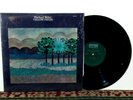
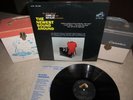
Ornette Coleman Body Meta LP 1st pressing Artists House – AH 9401 Booklet
$
80


Favourite Auctions
To save auctions to your favourites, please login
If you don't have an account, please register
Description
Ornette Coleman & Prime Time Body Meta LP 1st pressing Artists House – AH 9401 Booklet Archival Sleeve A unique style of Funk very amazing. with Newspaper article
Body Meta is an album by Ornette Coleman and Prime Time. Writing for Fact Magazine, Frank Schindelbeck stated: "While many regard Dancing [In Your Head] to be the key Prime Time document, in my opinion it's Body Metathat first showed the full depth of Ornette's new band. The inaugural release on Coleman's own Artists House label, Body Meta touches on juke joint blues vamps, cubist refractions of James Brown's 'on the one' style, and even militaristic waltzes. It is perhaps the most loose-limbed and deceptively relaxed of any release featuring the Prime Time band, who were known for their taut intensity. The album is also hugely important in that by setting up the Artists House label, Coleman showed that an artist of his stature and reputation could operate outside of the confines of major label hierarchy, ushering in a new era of independent and underground jazz distribution."
Prime Time was a band formed by Ornette Coleman in 1975 featuring two electric guitarists, two drummers, and occasionally two electric bassists alongside Coleman's saxophone. The band utilized Harmolodics to create their music.Founding members included guitarist Bern Nix, guitarist Charles Ellerbee, bassist Jamaaladeen Tacuma, drummer Denardo Coleman (Ornette's son) and drummer Ronald Shannon Jackson. Later members including bassist Albert MacDowell and drummer Sabir Kamal
Randolph Denard Ornette Coleman (March 9, 1930 – June 11, 2015) was an American jazz saxophonist, trumpeter, violinist, and composer. He was best known as a principal founder of the free jazz genre, a term derived from his 1960 album Free Jazz: A Collective Improvisation. His pioneering works often abandoned the harmony-based composition, tonality, chord changes, and fixed rhythm found in earlier jazz idioms. Instead, Coleman emphasized an experimental approach to improvisation, rooted in ensemble playing and blues phrasing. AllMusic called him "one of the most beloved and polarizing figures in jazz history," noting that while "now celebrated as a fearless innovator and a genius, he was initially regarded by peers and critics as rebellious, disruptive, and even a fraud
price rating