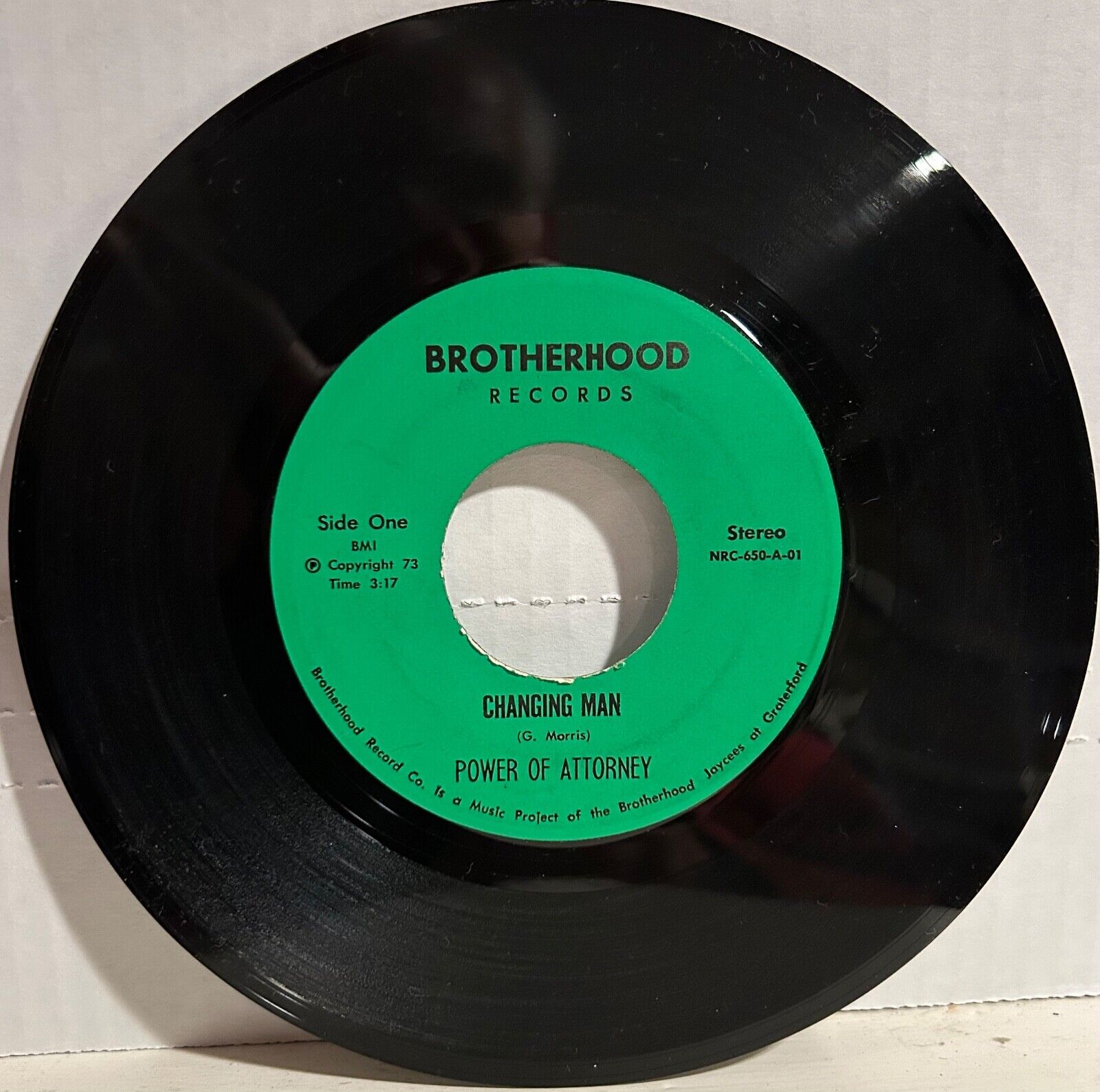
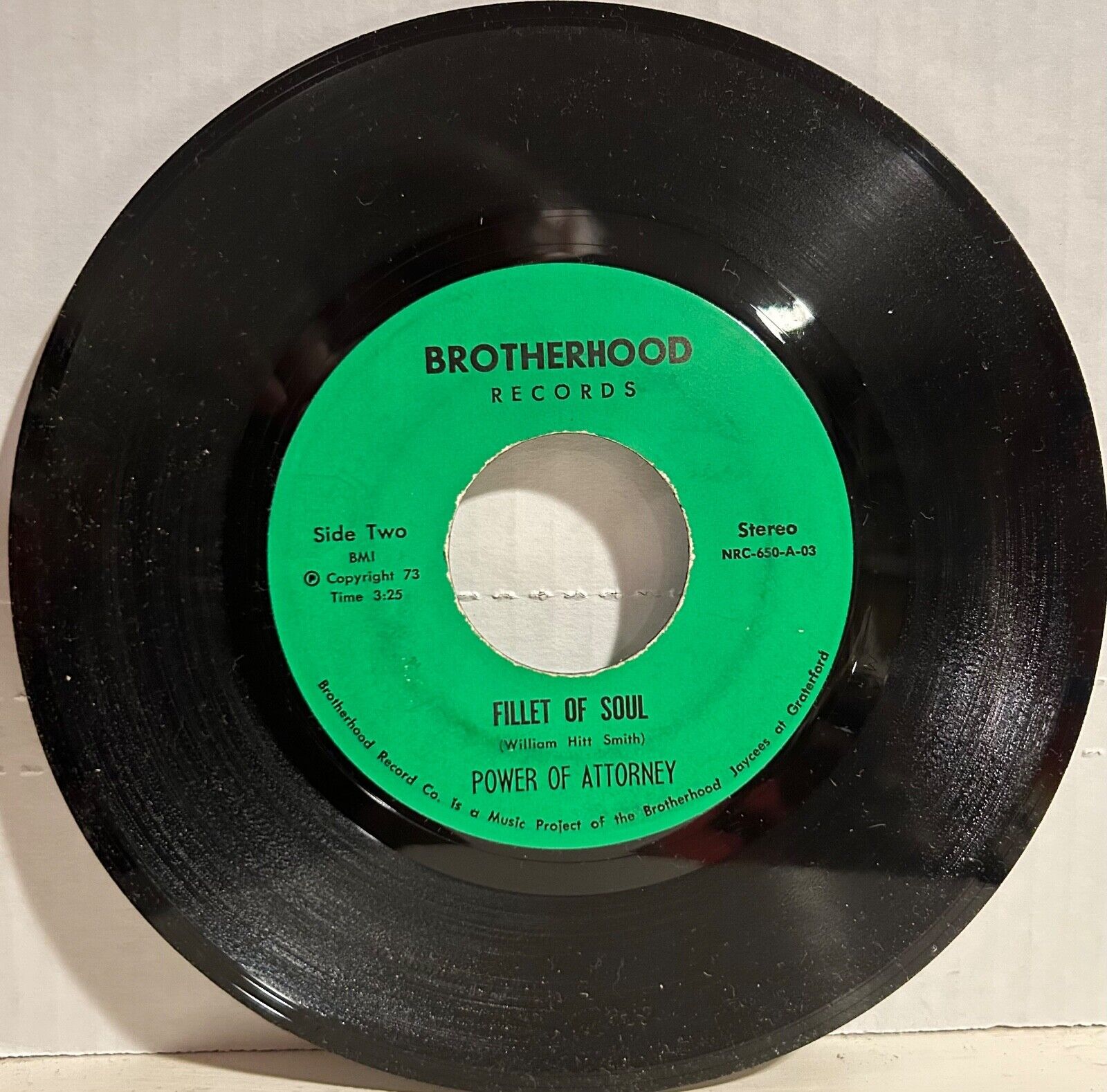
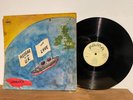
POWER OF ATTORNEY BROTHERHOOD 650 Changing Man FUNK SOUL SPIRITUAL LTD PRESSING
$
1,950


Favourite Auctions
To save auctions to your favourites, please login
If you don't have an account, please register
Description
Both sides VG++, extremely close to M-. Fantastic shape for a fifty year old 45. The disc is slightly dished and has a very slight warp which does not affect play either on my late 50's Califone not my late model Audi-Technica ATLP120
- The single was first released back in 1973 via Brotherhood Records, a highly sought-after record and very limited - it has fetched high prices on Discogs in recent times.
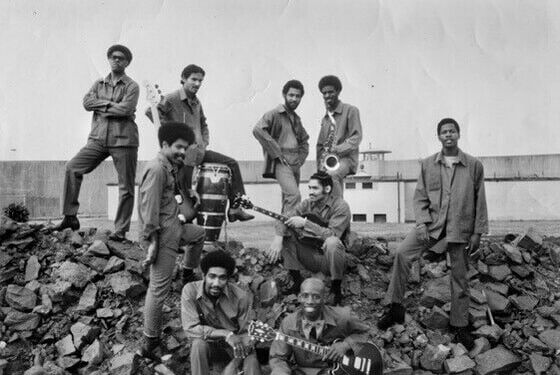
- Power Of Attorney was a group formed at the Pennsylvania State Correctional Institution at Graterford in the 70’s.
-
“In late 1972, the prison’s Activities Director Theodore “Ted” Wing broke ground on a new recording studio. As part of the rehabilitative arts and music initiative, the space was built to offer a creative outlet for incarcerated individuals to express their musical talents. In November of ‘72 an audition was held throughout the prison to form a band. It has been reported that over 1,600 men auditioned for a spot in the band.
Wing ultimately settled on a line-up that consisted of William Smith (lead guitar), Charles McDowell (bass), Merion Wilson (tenor saxophone), Edward J.X. Smith (guitar), and Otis Graham (drums). With a line-up of gifted musicians and a fresh new recording studio to practice and lay down tracks in, the band Power Of Attorney was officially born.
In January of 1973, Power Of Attorney got the chance to record at Sigma Sound Studios, the legendary space that helped birth the Philadelphia International sound as well as classic albums like David Bowie’s, Young Americans. Taking the routines that they had rehearsed for a reported five hours each day, the band laid down the tracks — including the reflective ‘Changing Man,’ an original composition by McDowell.
We Use The VJM Record Grading System
NB 45s use the LP system as below.
N (78) M (LP). As new and unplayed (there are virtually no 78s that can categorically be claimed to be unplayed).
N- (78) M- (LP). Nearly Mint, but has been played. No visible signs of wear or damage.
E+ (78) VG+ (LP). Plays like new, with very, very few signs of handling, such as tiny scuffs from being slipped in and out of jackets.
E (78) VG (LP). Still very shiny, near new looking, with no visible signs of wear, but a few inaudible scuffs and scratches.
E- (78) VG- (LP). Still shiny but without the lustre of a new record, few light scratches. LP: Some wear, scratches and scuffs, but no skipped or repeat grooves.
V+ (78) G+ (LP) V+ is an average condition 78 in which scuffs and general use has dulled the finish somewhat. Wear is moderate but playing is generally free from distortion. Surface noise not overly pronounced. LP: Below average with scuffs and scratches on fewer than half the tracks. No skips or repeat grooves.
V (78) G (LP). Moderate, even wear throughout, but still very playable. Surface noise and scratches audible but not intrusive.
V- (78) G- (LP). Quite playable still, but distortion and heavy greying in loud passages. Music remains loud in most passages. Surface noise and scratches well below music level. LP: Lowest Grade. Audible scratches, etc. on more than half the tracks. Listening uncomfortable.
G+ (78). Grey throughout but still serviceable. Music begins to sound muffled. Heavy scratches.
G (78). Quite seriously worn and scratched, but music level is still higher than surface noise.
G- (78). Music still prominent, but wear and scratch damage extensive.
F (78). Most of music remains audible over surface noise, but listening now uncomfortable.
P (78). Unplayable.
NB: Damage to labels and jackets (LP) should be noted whenever present.
Abbreviations: sfc = surface; lbl = label; nap = not affecting play; scr/scrs = scratch/scratches; lc = lamination crack; cr = crack; hlc/hc = hairline crack; wol = writing on label; sol = sticker on label; fade = faded label; gr/grs = groove/grooves; eb = edge bite; ec = edge chip; ef = edge flake; rc = rim chip.
I have a lot of Rock and Roll, R & B, Jazz and Country LPs, 45s and 78s for sale, many at low prices. I do combine shipping so take a look! If you are bidding on more than one item, let me know you want to combine shipping, and DON'T pay the first invoice that eBay sends you. And then let me know WHEN YOU HAVE FINISHED, and I will send you an invoice for everything. It saves you money, and saves me time! 50 cents extra for each additional LP. I ship USPS Media Mail, but do charge an additional $1.50 for packaging for LPs and 45s. Because of the fragility of 78s, the packaging charge is increased to $5.00, and then an extra 50 cents per record. We've all been spoiled with free delivery from various retailers over the past few years, and I wish I could offer free shipping! But I can't. Even Media Mail is becoming expensive. The mailers and bubble wrap I use come out at close to a buck for each shipment for LPs and for 78s the cost is even higher. Two bucks for the box, and 50 cents for each corrugated pad. I use 4 pads per shipment, plus bio-degradable peanuts and bubblewrap. It all mounts up, and then there is the schlepping to the Post Office. I ain't getting rich!
I do pack carefully, but cannot be responsible for damage incurred during shipping. I understand that eBay will cover you in the case of a damaged or broken shipment.
I am starting to list a lot of 78s and prices are fairly low. Why not minimize your shipping costs by buying several at once?
A note about 78s and vinyl dating from 1948 through the early 60s. Tracking weights in the teens and twenties on old wind-up phonographs were around 150 - 200 grams. Yes, you read that right! The weight reduced as the years went by, and by the 40s and 50s was down to 8-12 grams. Playing an old record on modern equipment with a tracking weight of around 2-3 grams will often result in a lot of surface noise. The best rule of thumb is to play records on machines of similar vintage, although I do take the point that playing a 78 with a tracking weight of 8 grams IS better than 150 grams! Back in the early years of the twentieth century, 78s had an abrasive mixture added to the shellac. It was added with the express purpose of wearing the needle BEFORE the needle wore the record. That is why one should change the steel needle in a wind-up phono after each side of a record. Needles were MUCH cheaper than records! All of this is by way of saying, 'You gotta get in the groove'!
price rating
![BLANK/LETS GO TO THE DANCE - LARRY MARSHALL [R/STEADY] 7](https://www.popsike.org/php/thumbnail.php?url=https://www.popsike.pics/pix/20181010/302915564336.jpg)