SPECIAL A.K.A. SPECIALS SELECTER ORIGINAL SLEEVE 2 TONE
£
38
$
50


Favourite Auctions
To save auctions to your favourites, please login
If you don't have an account, please register
Description
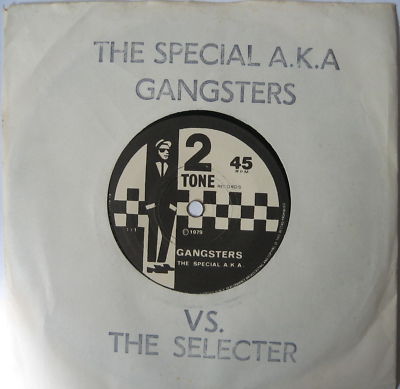
YOU ARE BIDDING ON AN EXCELLENT CONDITION
SPLIT SINGLE 7"
THE SPECIAL A.K.A.
GANGSTERS
THE SELECTER
THE SELECTER
RELEASED ON 2 TONE RECORDS TT1/TT2
MATRIX NUMBERS: TT+1-3,
TT 2-1
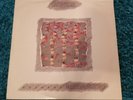
THIS RECORD HAS HAND WRITTEN MATRIX NUMBERS, PAPER LABELS, AND COMES WITH THE ORIGINAL STAMPED WHITE SLEEVE
WE DO COMBINE POSTAGE FOR ITEMS PURCHASED MEANING THAT WE DO PROVIDE POSTAGE DISCOUNTS ON MULTIPLE PURCHASES WHERE POSSIBLE, AS A RULE THE FIRST LP IS CHARGED AT STANDARD POSTAL RATE AND EACH ITEM THERE AFTER AT AROUND A 50% DISCOUNT, AND THE SAME GOES FOR 7" RECORDS, THERE MAY BE A FEW EXCEPTIONS TO THIS, SUCH AS BEING UNABLE TO COMBINE POSTAGE FOR A POSTER AND A RECORD, PLEASE FEEL FREE TO CONTACT US IF YOU ARE STILL UNSURE
ITEMS ARE PACKAGED IN STIFF CARD MAILERS WITH STIFFENERS, AND ARE REMOVED FROM SLEEVES PRIOR TO PACKING-UNLESS THE ITEM IS SOLD AS 'SEALED'
True innovators of the punk era, the Specials began the British ska revival craze, combining the highly danceable ska and rocksteady beat with punk's energy and attitude, and taking on a more focused and informed political and social stance than their predecessors and peers.
The band was originally formed in Coventry, in 1977, as the Coventry Automatics and later the Special A.K.A. by songwriter/keyboardist Jerry Dammers, with Terry Hall (vocals), Lynval Golding (guitar, vocals), Neville Staples (vocals, percussion), Roddy Radiation (guitar), Sir Horace Gentleman (bass), and John Bradbury (drums). An opening slot for the Clash stirred up interest with the major labels, but Dammers instead opted to start his own 2-Tone label, named for its multiracial agenda and after the two-tone tonic suits favored by the like-minded mods of the '60s. The Dammers-designed logos, based in '60s pop art with black and white checks, gave the label an instantly identifiable look. Dammers' eye for detail and authenticity also led to the band adopting '60s-period rude-boy outfits (porkpie hats, tonic and mohair suits, and loafers). The band released the "Gangsters" single, which reached the U.K. Top Ten. Soon after, hordes of bands and fans followed in the same tradition, and the movement was in full swing. Over the next several months, 2-Tone enjoyed hits by similar-sounding bands, such as Madness, the (English) Beat, and the Selecter. Late in 1979, the band released its landmark self-titled debut album, produced by Elvis Costello. They followed with several 2-Tone package tours and a live EP, Too Much Too Young (confusingly credited to Special A.K.A.). The title track, a pro-contraception song, was banned by the BBC but reached the number one spot in the U.K. At this time, the band switched musical directions, releasing album number two, More Specials, with a new neo-lounge persona. Signs indicated that the movement was fading and 2-Tone began to experience financial troubles. Nevertheless, a film documenting the 2-Tone package tours, Dance Craze, as well as its companion album, saw considerable success. The Specials released the timely "Ghost Town" single in 1981 amid race-related unemployment riots in Brixton and Liverpool. The single jumped to number one, but the band was falling apart. Hall, Staples, and Golding left to form Fun Boy Three, leaving the band without its trademark voice. Dammers held on, reverting back to the old name, Special A.K.A., and enlisted a new vocalist, Stan Campbell. After several years, they returned with In the Studio in 1984. They managed a few hits with "Racist Friend" and "Free Nelson Mandella," but the album stiffed. The band's final single, "What I Like Most About You Is Your Girlfriend," failed to break the British Top 40. Dammers dissolved the unit, pursuing political causes such as Artists Against Apartheid.
Shortly after the official breakup, various members of the band joined up with other bandless ska revivalists (English Beat, etc.) to form a touring unit named Special Beat. By the mid-'90s, in response to the third wave ska revival, a Dammers-less version of the Specials reappeared with a series of shameful cash-in albums: Today's Specials (1996,) Guilty Til Proved Innocent! (1998,) and Conquering Ruler (2002.)
Despite being the band that got the least press during the ska revival of the early '80s, the Selecter, while only recording one undeniably fine record, deserved better than they got. Hailing from Coventry, England, the same hometown as ska pals the Specials, the Selecter's secret weapon was lead singer Pauline Black, arguably the best lead singer of the ska revival, who gave the jumpy and jittery songs an edge that veered into haunting drama. Although they got off to a roaring start with their debut record, 1980's Too Much Pressure, the second record, Celebrate the Bullet, was a strained follow-up that led to the band's rapid demise. Black spent some time singing solo and eventually re-joined guitarist Neol Davis in a Selecter reunion in the early '90s that has seen them become dance club favorites. According to those attending Selecter shows, the vibe is strong and the music great.
price rating

![Ace Frehley - Greatest Hits Live [2LP] Limited Orange Colored Vinyl](https://www.popsike.org/php/thumbnail.php?url=https://www.popsike.pics/pix/20220327/373994774824.jpg)