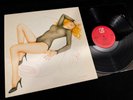
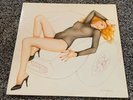
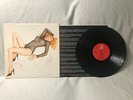
The Cars Candy-O 1979 Elektra Records Original Press Vinyl LP
$
30


Favourite Auctions
To save auctions to your favourites, please login
If you don't have an account, please register
Description
Welcome to Classic Cadillac Records! I visually grade all my records as accurately as possible and will never grade anything above Near Mint unless it's still sealed. Please note that a visual grade can differ from a play grade, and am happy to spot check a record upon request. All orders are shipped within 1 business day (usually sooner) and packed with extra care to ensure fast, safe arrival. Please look closely at all pictures, read all relevant details and ask any questions you may have before buying. I offer a full 30-day return policy on everything I sell, so buy with confidence! 20% restocking fee charged on items returned for reasons other than it not working properly. Thanks for looking!
Candy-O Studio album by the Cars Released June 13, 1979 Recorded 1979 Studio Cherokee Studios (Los Angeles, California). Genre Pop, new wave, rock Length 36:25 Label Elektra Producer Roy Thomas Baker The Cars chronology The Cars
(1978) Candy-O
(1979) Panorama
(1980) Singles from Candy-O
- "Let's Go"
Released: June 12, 1979 - "It's All I Can Do"
Released: September 25, 1979 - "Double Life"
Released: December 12, 1979
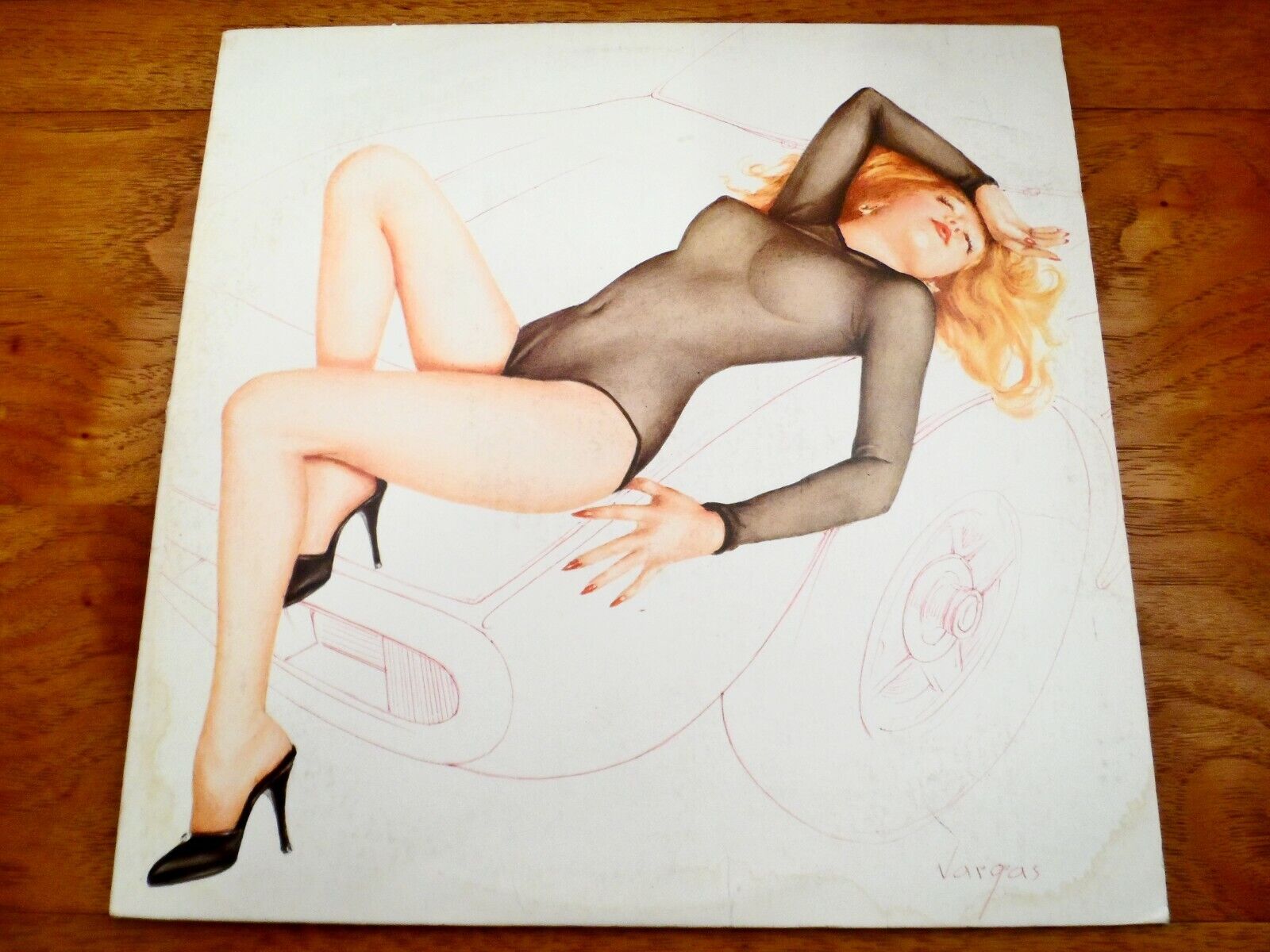
Candy-O is the second studio album by the American rock band the Cars. It was produced by Roy Thomas Baker and released in 1979 on Elektra Records. Two singles were released from the album, "Let's Go" (Billboard Hot 100 #14) and "It's All I Can Do" (#41). The album outperformed the band's debut, peaking at #3 on the US Billboard 200, fifteen spots higher. The cover art was done by pin-up artist Alberto Vargas.
Background
Unlike the first album, Candy-O was created under a more democratic approach. Ric Ocasek said of this, "When one of my songs goes to the band in barest cassette form, we sit around and talk about it. If I'm outvoted, we don't do it. We almost didn't include 'Double Life' on the new album, it had been dropped. I think everybody in the Cars is open-minded and creative enough that they would do anything – nobody's holding anything back. Everybody appreciates the more radical, experimental kinds of music and likes it. But sometimes, when you're put together with five pieces, things are not as minimal as they could or should be. Everybody's developed a unique personal style, and we rely on their input. If they did it, it's good enough."
Most of the songs on Candy-O were written after the release of The Cars, meaning that most of the leftovers from the first album (including the popular encore "Take What You Want") were scrapped; "Night Spots", a reject from the first album, was still included.
For the album, the band once again worked with Queen producer Roy Thomas Baker. Ocasek said of their relationship with the producer, "Well, some of the things on that first album that we thought were a little slick, we toned down on the second, like on the background vocals. But if we were going to rely on the producer we had hired, there was no reason to try and change him. On the second album, it was easier to say, 'Roy, let's not do the multi-tracked harmonies this time.'"
The band's label, Elektra, initially wanted to hold back the release of the album, but the band stood their ground. Ocasek said of this, "At first Elektra wanted to hold it back some, but we told them there was no way, because if they were going to hold that back, they were going to hold us back, and we can't just sit around and be held back." Released as the follow-up to their 1978 hit album The Cars, Candy-O peaked at No. 3 on the Billboard 200. The album re-entered the charts at No. 179 in 1984. The record was also ranked number 82 on Billboard's "Top Albums of the Year" chart for 1979.
Three singles were lifted from Candy-O: "Let's Go" hit No. 14, making it the first Top 20 Cars single, "It's All I Can Do" peaked at No. 41, barely missing the Top 40, and "Double Life" failed to chart.
Cover art
The album cover was painted by artist Alberto Vargas, who was known for his paintings of pin-up girls that appeared in Esquire and Playboy magazines in the 1940s through the 1960s. The idea to hire Vargas came from drummer David Robinson, the band's artistic director and a collector of pin-ups. The 83-year-old Vargas had retired several years earlier but was persuaded to take the assignment by his niece, who was a fan of the Cars. The painting, depicting a woman sprawled across the hood of a Ferrari 365 GTC/4, was based on a photo shoot directed by Robinson at a Ferrari dealership. The model, coincidentally named Candy Moore, briefly dated Robinson afterward.
Candy Moore
Candy Moore, a model and actress who appeared in a 1981 television series, Lunch Wagon, is often confused with an actress of the same name who starred in the Lucy Show and married actor Paul Gleason. The case of incorrect identity is pervasive throughout the internet, having the Lucy Show actress often linked to, and credited with, the work of the model found on the Cars' album. The Candy Moore from the cover of the Candy-O album can also be found wearing a red shirt on the cover of Rick James' album, Street Songs, and on subsequent sleeves for his singles such as "Ghetto Life". Other shots of the model during the Candy-O cover shoot, can be found in a video interview with David Robinson.
Reception
Professional ratings Review scores Source Rating AllMusic Encyclopedia of Popular Music Pitchfork 8.5/10 The Rolling Stone Album Guide Smash Hits 8/10 Spin Alternative Record Guide 9/10 The Village Voice B+Candy-O was positively received by critics. Harry Sumrall of The Washington Post praised the album as "invigorating and enlightening" and found that Ocasek's songs possessed a "certain adolescent charm" while avoiding "any direct allusions to '50s rock 'n' roll." Village Voice critic Robert Christgau summarized the album as follows: "Cold and thin, shiny and hypnotic, it's what they do best—rock and roll that is definitely pop without a hint of cuteness". Rolling Stone writer Tom Carson was more reserved in his praise, writing, "It's almost inevitable that Candy-O, the Cars' second album, doesn't seem nearly as exciting as their first. The element of surprise is gone, and the band hasn't been able to come up with anything new to replace it. Candy-O is an elaborately constructed, lively, entertaining LP that's packed with good things. And it's got a wonderful title. But it's a little too disciplined, a shade too predictable."
In a retrospective review, AllMusic critic Greg Prato said that while Candy-O "was not as stellar" as The Cars, "it did contain several classics, resulting in another smash album that solidified the band's standing as one of the most promising new bands of the late '70s." Hamish Champ, writer of The 100 Best-Selling Albums of the 70s, said: "With UK producer Roy Thomas Baker once again behind the decks, Ric Ocasek and his colleagues produced a follow-up to their hugely successful debut with more of the same quirky, offbeat songs that had caused such a stir the first time around."
Track listing
All tracks are written by Ric Ocasek.
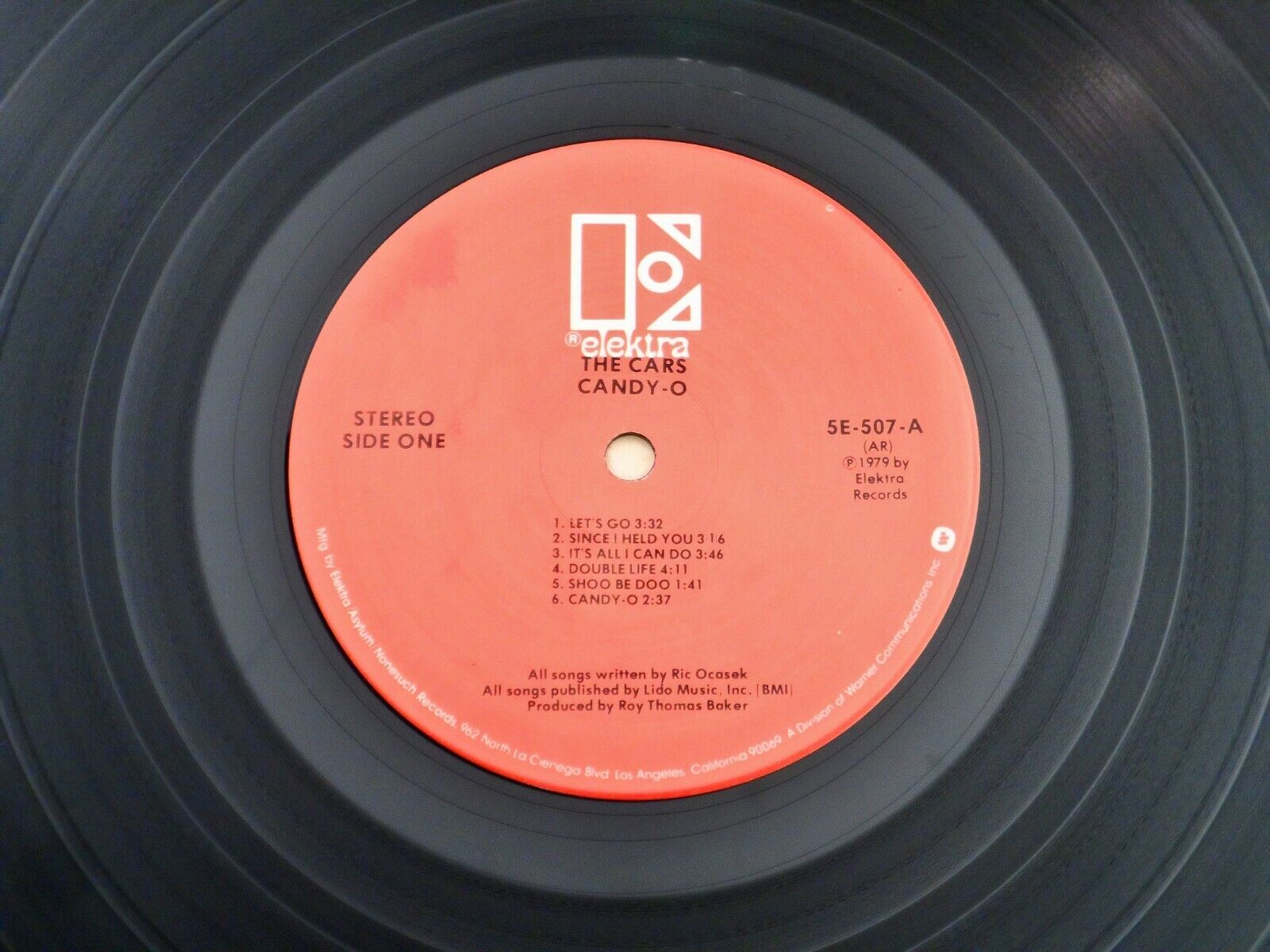
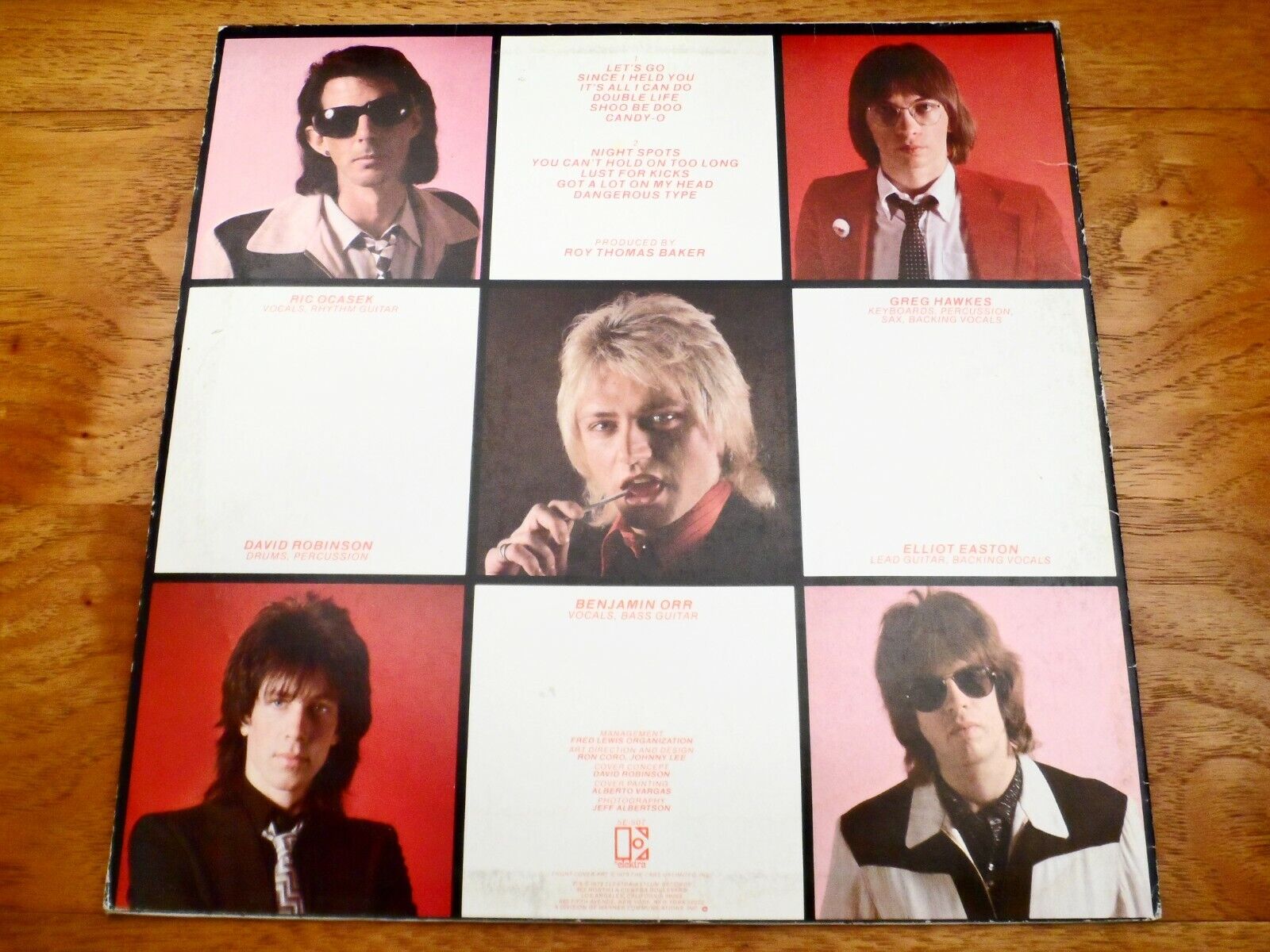
Side one No. Title Vocals Length 1. "Let's Go" Benjamin Orr 3:33 2. "Since I Held You" Ocasek/Orr 3:16 3. "It's All I Can Do" Orr 3:44 4. "Double Life" Ocasek 4:14 5. "Shoo Be Doo" Ocasek 1:36 6. "Candy-O" Orr 2:36 Side two No. Title Vocals Length 7. "Night Spots" Ocasek 3:15 8. "You Can't Hold On Too Long" Orr 2:46 9. "Lust for Kicks" Ocasek 3:52 10. "Got a Lot on My Head" Ocasek 2:59 11. "Dangerous Type" Ocasek 4:28price rating