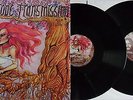
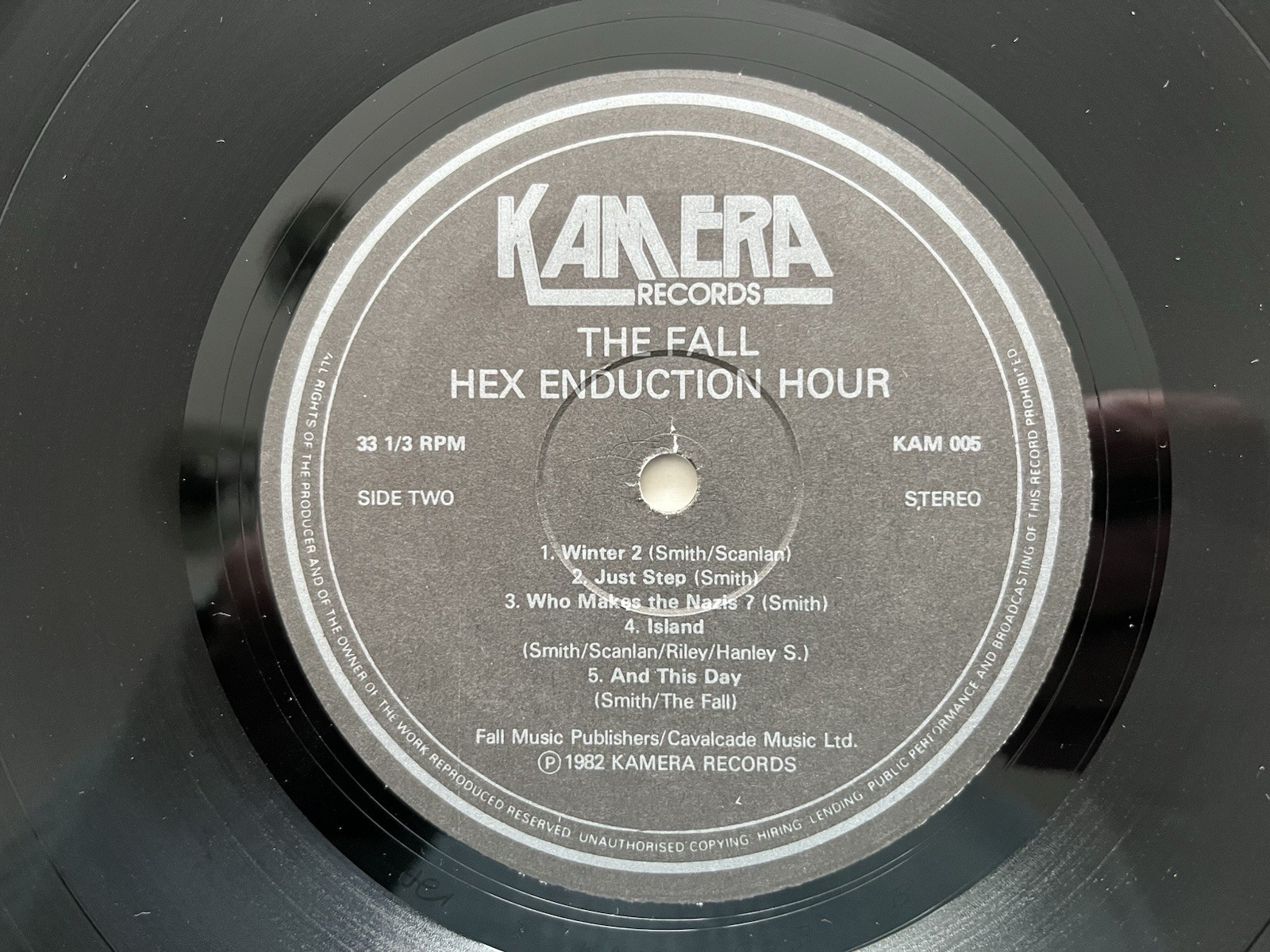
The Fall Hex Enduction Hour Kamera Records KAM005 A/B UK 1st press 1982
£
110
$
146

Favourite Auctions
To save auctions to your favourites, please login
If you don't have an account, please register
Description
The Fall 'Hex Enduction Hour' Kamera Records KAM 005 UK 1st press Vinyl, LP, released on March 8th 1982.
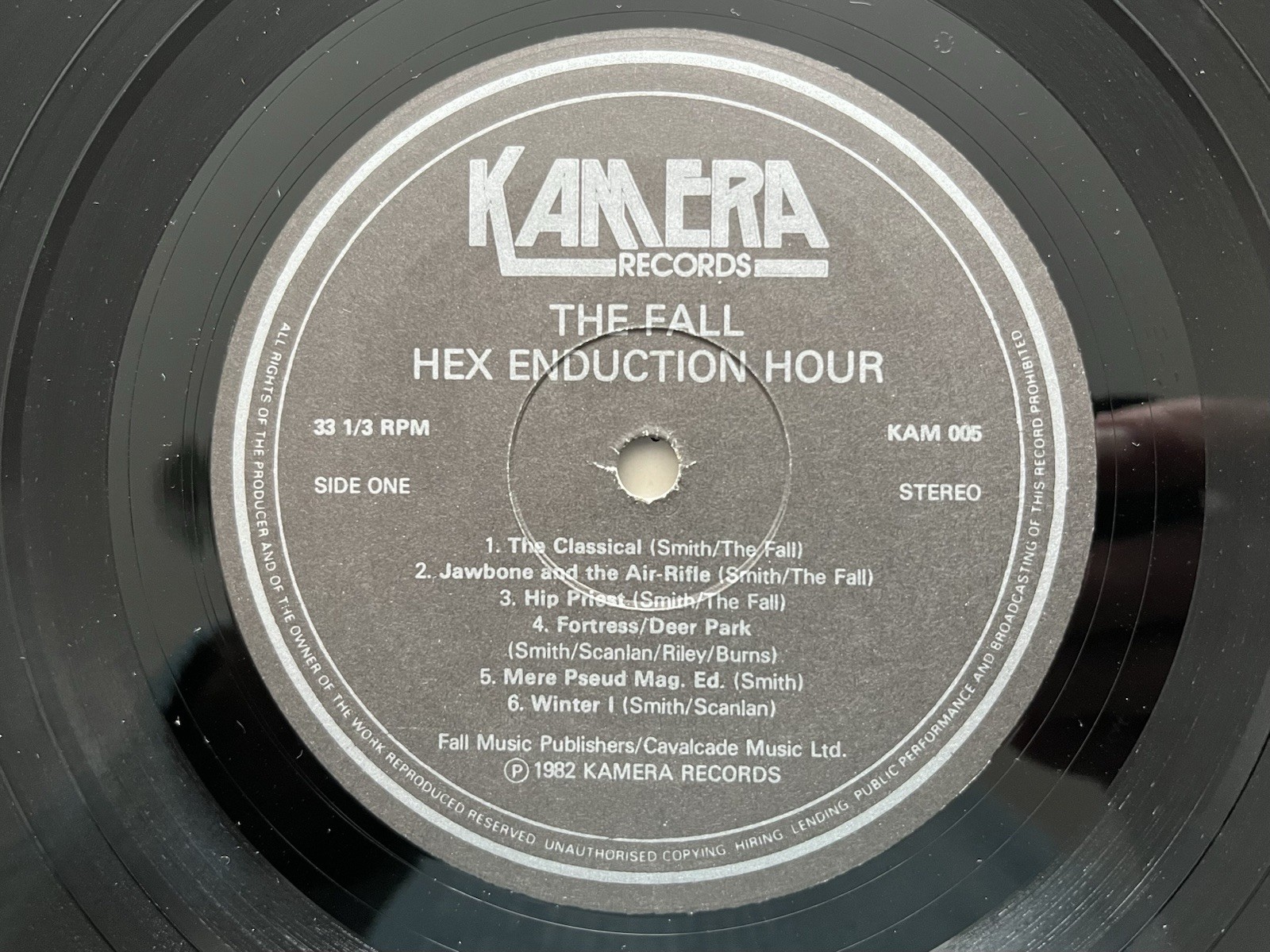
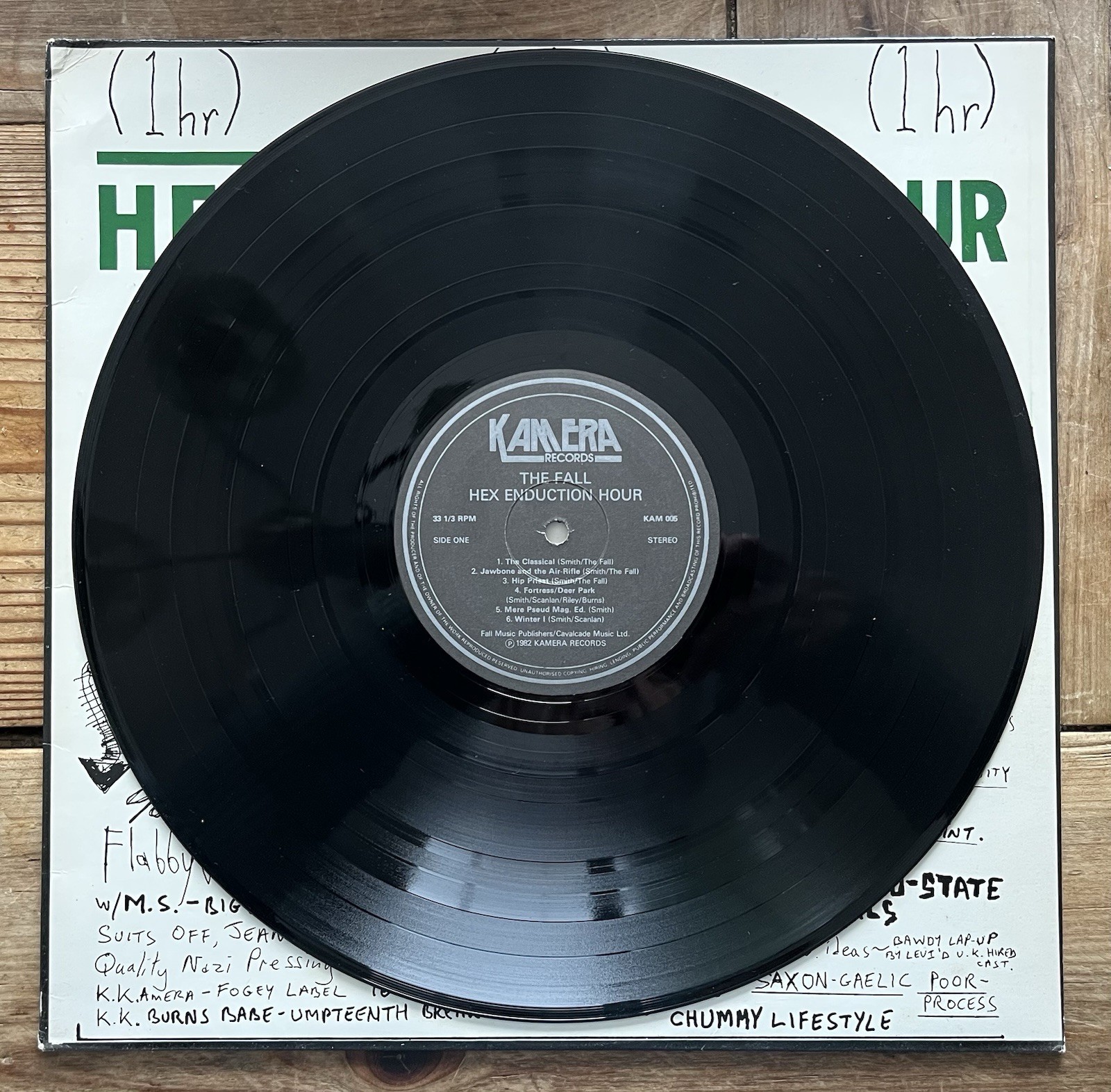
The vinyl appears to have been lightly played and is in great shape. It played through beautifully on my stereo - no skip or stick. Similarly, the sleeve shows minimal signs of wear and is also in great condition - no rips or writing. The spine is intact and legible. Matrix / Runout Side One : H1 CHE-TWO UNO [SNA logo] KAM 005 A Matrix / Runout Side Two : H1 [SNA logo] KAM 005 B
Hex Enduction Hour is the fourth studio album by the English post-punk group the Fall. Released on 8 March 1982, it was built on low-fidelity production values and caustic lyrical content of their earlier recordings, and features a two-drummer line-up. Frontman Mark E. Smith established an abrasive Northern aesthetic built as part of the 20th century literary traditions of kitchen sink realism and magic realism. Smith described the album as an often-satirical but deliberate reaction to the contemporary music scene, a stand against "bland bastards like Elvis Costello and Spandau Ballet ... [and] all that shit."
Recording for Hex began during a 1981 three-concert visit to Iceland, where Smith was inspired both by the otherworldliness of the island's landscape and the enthusiasm of an audience unaccustomed to visiting rock groups. The Fall recorded "Hip Priest", "Iceland" and non-album single "Look, Know" at the Hljóðriti studio in Reykjavík, and the remaining tracks in a disused cinema in Hitchin, Hertfordshire.
Its cover art was seen by many in the music industry as coarse and lacking accepted layout or typographical qualities; HMV would only shelve it back to front on their racks. The album peaked at number 71 on the UK Albums Chart.
Hex Enduction Hour takes influence from the Velvet Underground's "Sister Ray", Captain Beefheart and the early 1970s Krautrock band Can. Smith has said that the title was intended to invoke witchcraft, that he concocted the word "Enduction" to suggest the album could be a listener's induction into the Fall and that "Hex" was a reference to this being the band's sixth release. His vocals are higher in the mix than on previous Fall releases and were described in 1982 by Sounds as "emerg[ing] like a loudhailer from a fog of guitar scratch". The songs were deliberately produced in a raw and low-fidelity approach by Smith, Grant Showbiz and Richard Mazda in a sound described at the time as a "well produced noise" that was acceptable by Fall standards. Critic Mark Storace claimed he "could have done a better job on a 4-track if I was pissed out of my head". Smith responded by saying that "nowadays people just can't just shut up if they don't know what they're talking about." Elaborating on the purposely amateurish production values, Smith remarked that "it was all recorded in deliberately bad places ... deliberately simple sort of thing. Three songs were written at rehearsal and done the next time."
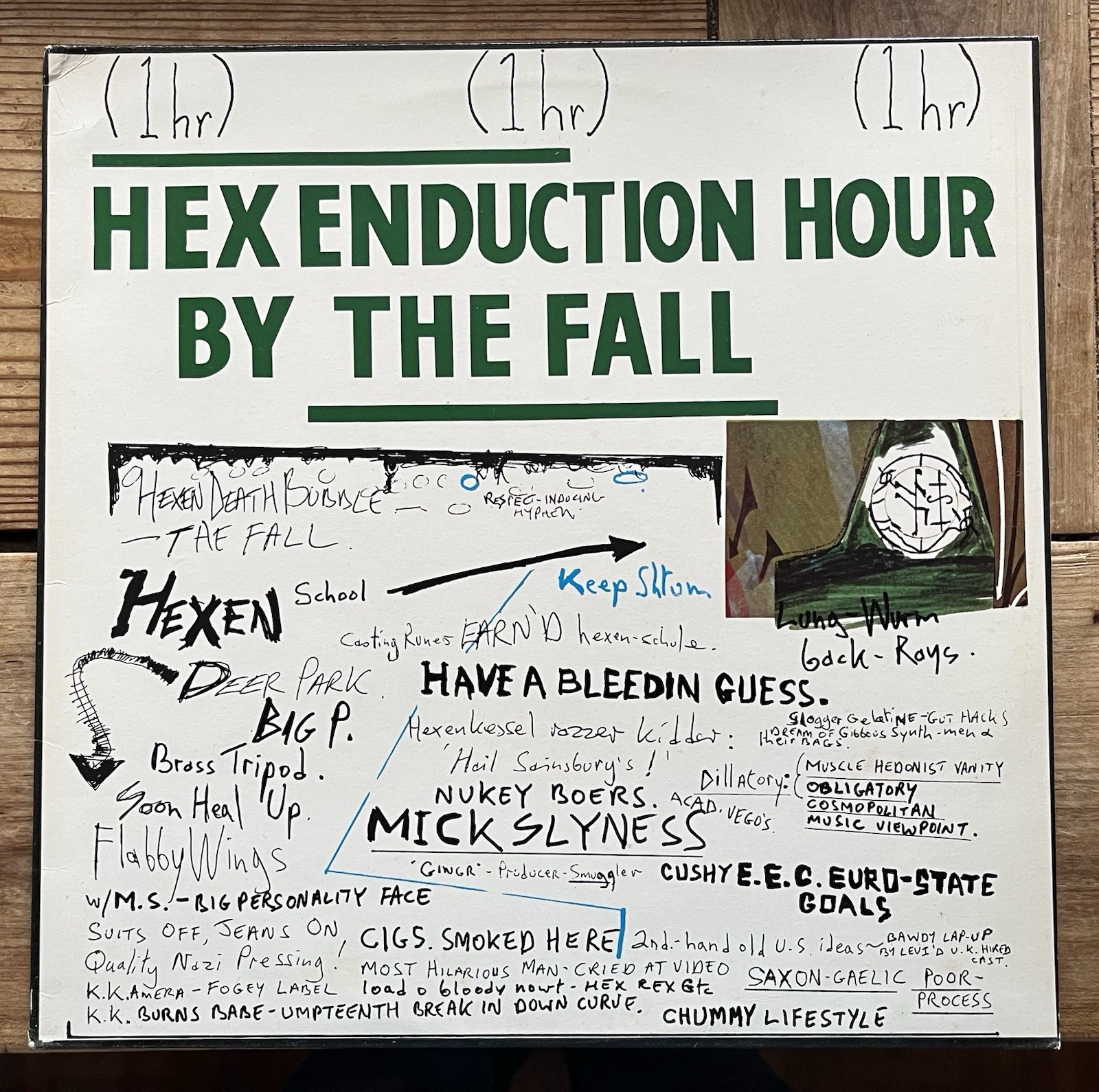
Hex Enduction Hour's all-white cover is lined with pen marks and scribbles and was described by music critic Robertson as "meticulously shoddy". It consists of a series of pen scribbles laid down by Smith. The markings are mostly random rhetorical phrases and sentence fragments added by Smith and include wording such as "Lie-Dream 80% of 10% OR 6% over no less than 1/4 = ??????", "Hail Sainsbury's!", "CHUMMY LIFESTYLE", "HAVE A BLEEDIN GUESS" and "CIGS. SMOKED HERE". In an interview with Sounds that summer, Smith mentioned that he liked artwork to reflect the album content and that his graphic choices reflected his attitude to music. He mentioned how he was drawn to cheap and misspelled posters, amateur layouts of local papers and printed cash and carry signs with "inverted commas where you don't need them".
The album art was seen by many within the music industry as coarse and lacking accepted layout or typographical qualities. HMV would only shelve the sleeve back to front on their racking shelves.
Hex Enduction Hour was the first Fall album to reach the UK Albums Chart, where it spent three weeks, peaking at no. 71. By mid-1983 it had sold 20,000 copies, reflecting a surge in the band's popularity, and five years into their career brought them to the attention of major record labels. Critics were highly enthusiastic. Reviewing for the NME, Richard Cook described the band as tighter and more disciplined than in earlier recordings, and call Hex as "their master piece to date". He praised their use of recording-studio techniques and atmospherics without resorting to glamorisation. Melody Maker's Colin Irwin said it was "incredibly exciting and utterly compelling". Edwin Pouncey of Sounds said it was "the furthest adventure the Fall have ever embarked upon, one that absorbs and holds the listener in a grip of iron. It is also more importantly the Fall's finest hour." A dissenter was Neil McCormick of Irish fortnightly Hot Press, who dismissed the album as secondhand melodramatic punk and said that if the album was "meant to be minimalist or primitive then it fatally ignores the true primitivism of the strong melody and accessible lyrics found in folk music."
Later, Record Collector described the album as a "taut, twitchy and ominous masterclass in DIY post-punk", and singled out Smith's lyrics for praise. The Quietus, in 2009, wrote of the album as "arguably ... The Fall's mightiest hour", while Stylus Magazine wrote that "Hex demonstrates the culmination of 'early' Fall: a monolithic beast of ragged grooves piloted through the embittering miasma of English society by the verbose acidity/Joycean all-inclusiveness of Mark E. Smith." Pitchfork listed Hex Enduction Hour as the 33rd best album of the 1980s.
price rating