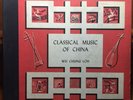
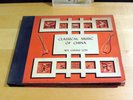
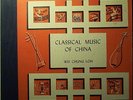
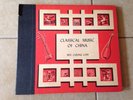
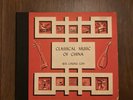
Wei Chung Loh Classical Music of China Musicraft Records 4 x Shellac 78 RPM VG
$
709

Favourite Auctions
To save auctions to your favourites, please login
If you don't have an account, please register
Description
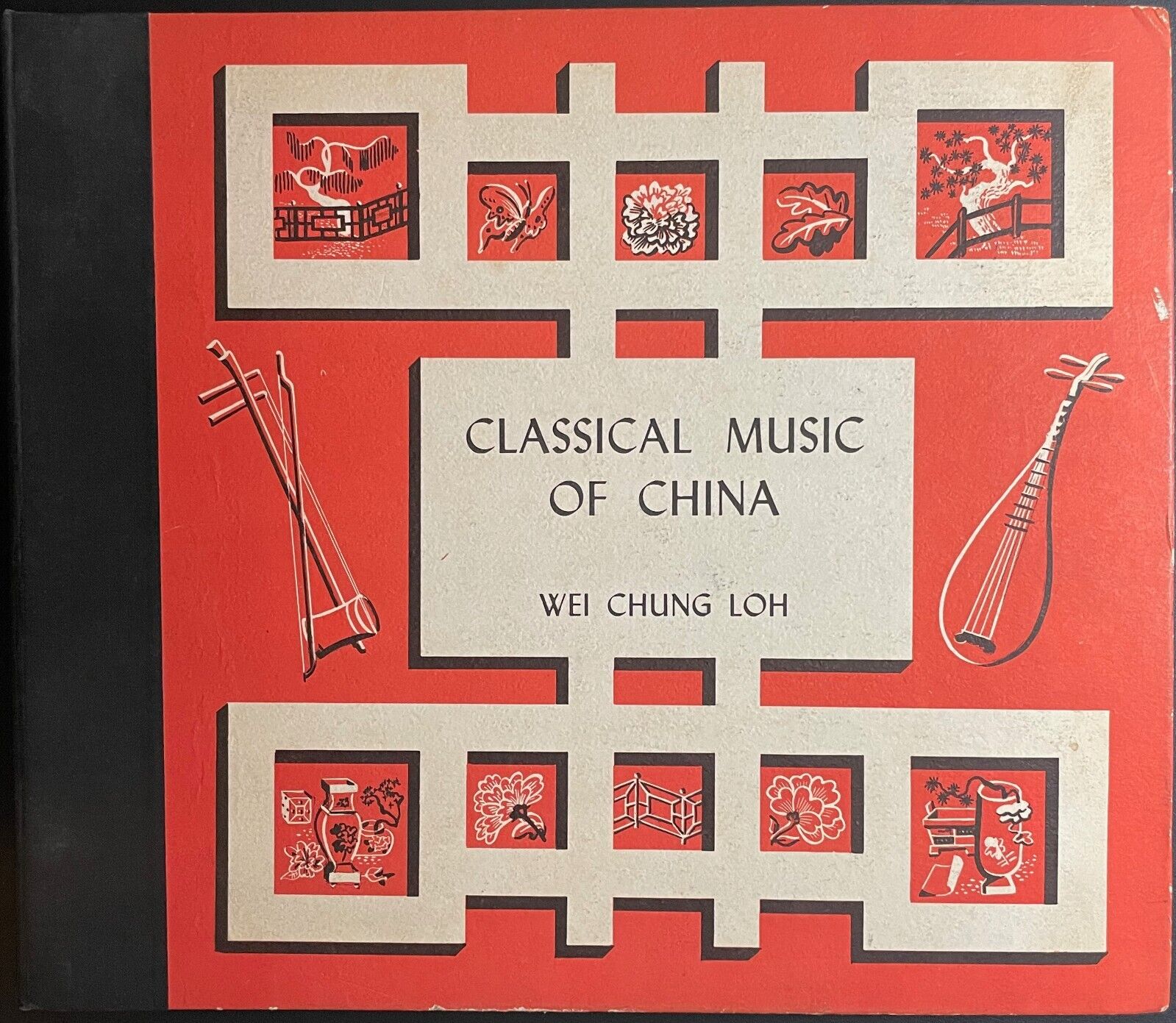
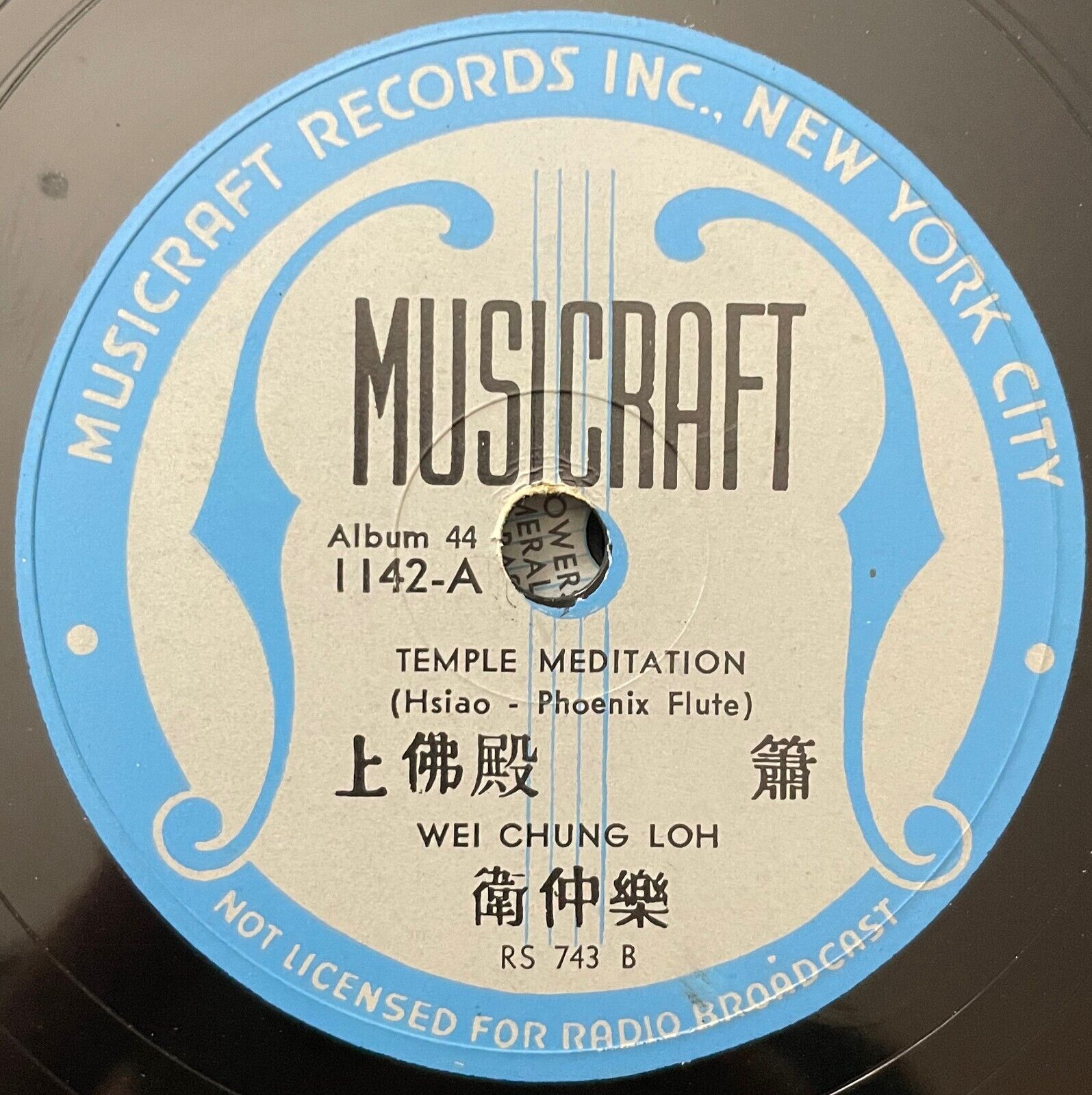
Wei Chung Loh – Classical Music of China
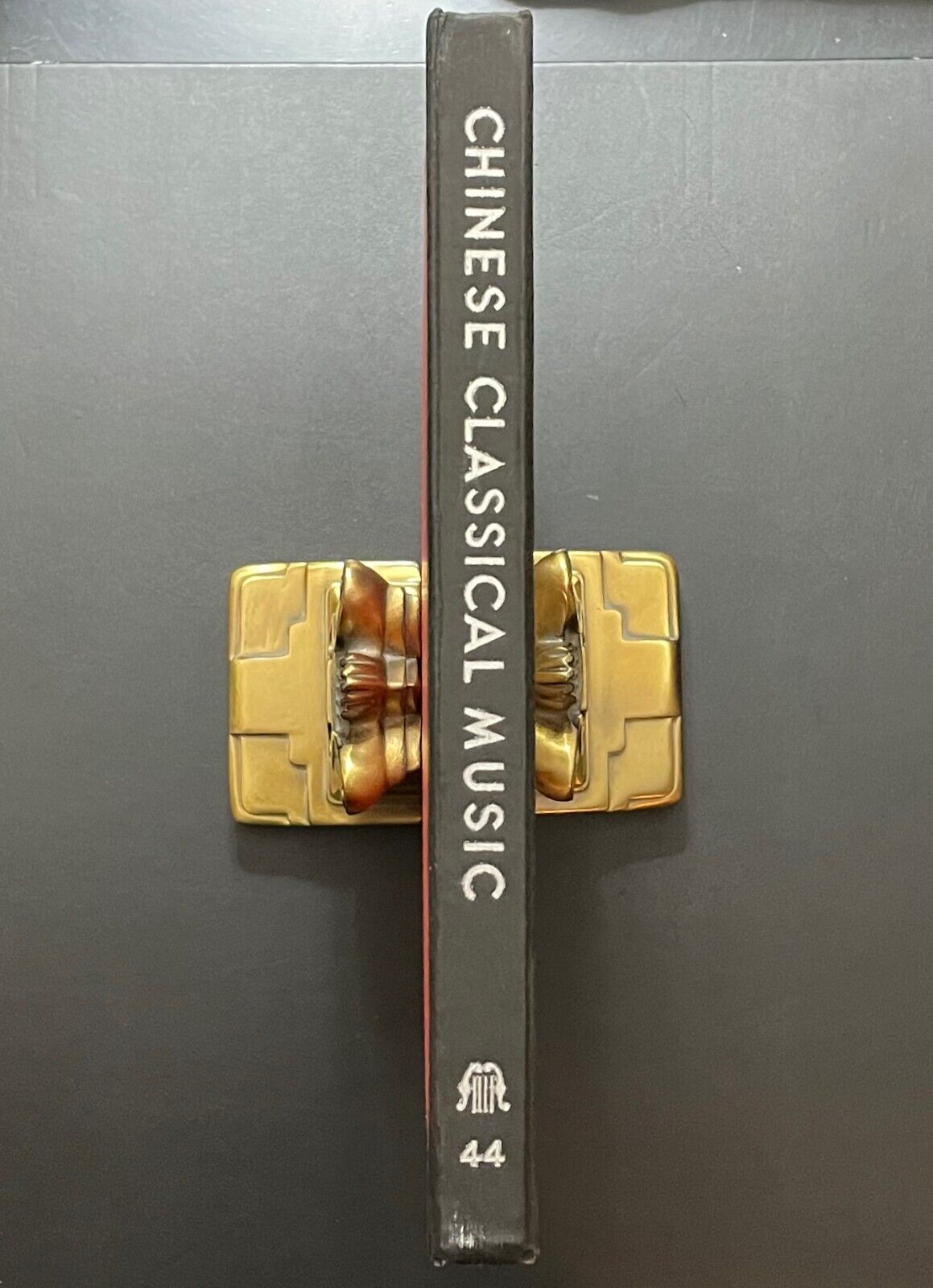
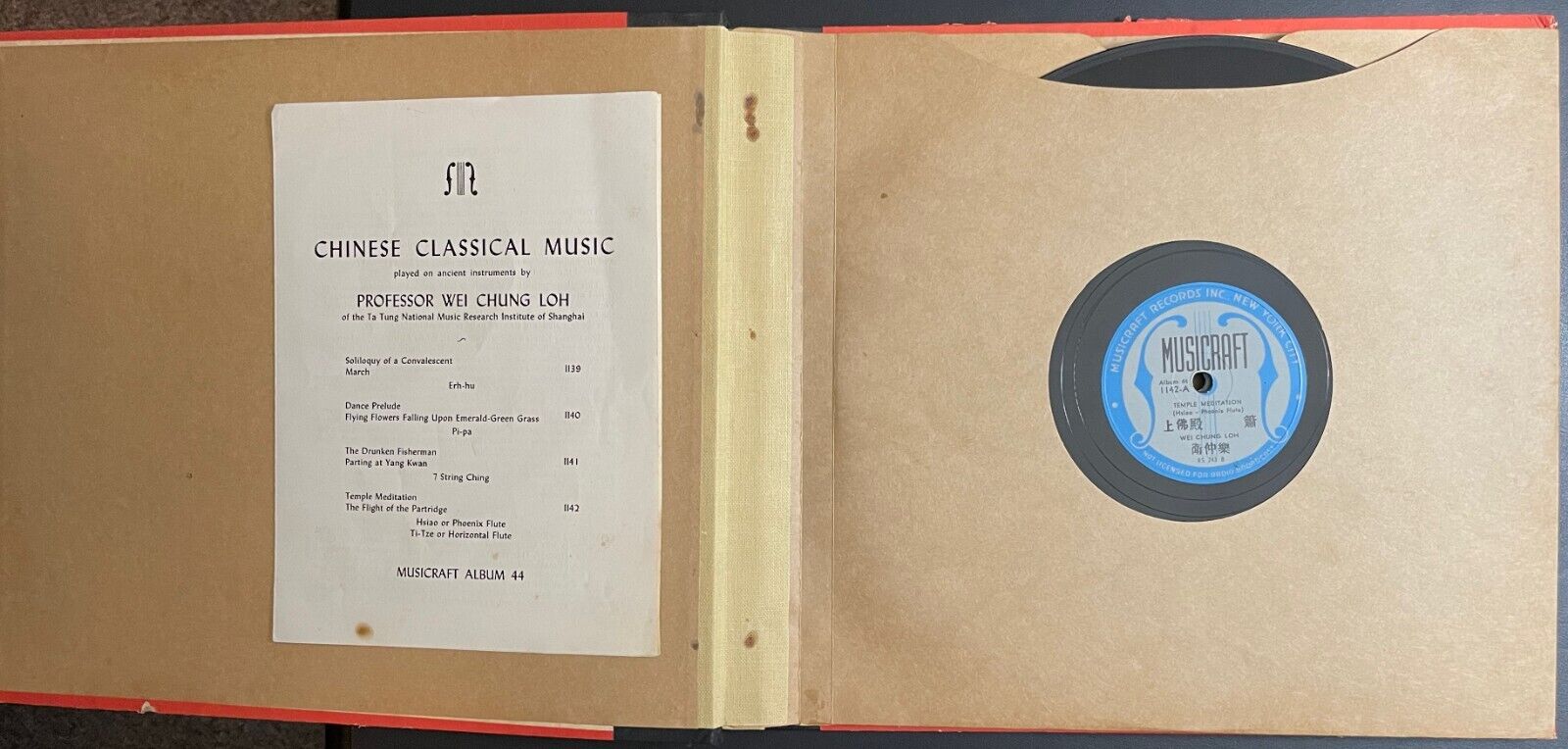
Label: Musicraft Records (Album 44), 1139-42
Format: 4 x Shellac, 10", 78 RPM, Album
Country: US, 1939
Chinese Classical played on ancient instruments by Professor Wei Chung Loh of the Ta Tung National Music Research Institute of Shanghai
The records are in Very Good condition. Visual inspection only. Light surface wear. Clean labels. The album is in Very Good+ condition, intact, unmarked, light visible surface and edge wear due to age, use, storage, and handling.
Free USA Shipping
>>>>
Tracklist:
A1 - Soliloquy Of A Convalescent (Erh-hu)
A2 - March (Erh-hu)
B1 - Dance Prelude (Pi-pa)
B2 - Flying Flowers Falling Upon Emerald - Green Grass (Pi-pa)
C1 - The Drunken Fisherman (7 String Ching)
C2 - Parting At Yang Kwan (7 String Ching)
D1 - Temple Meditation (Hsiao Or Phoenix Flute)
D2 - The Flight Of The Partridge (Ti-Tze Or Horizontal Flute)
>>>>
Wei Zhongle, also romanized as Wei Chung-Loh or Wei Chung-Lok (simplified Chinese: 卫仲乐; traditional Chinese: 衛仲樂, 21 March 1908 – 7 April 1997), was a Chinese musical instrumentalist. He played a wide variety of traditional Chinese instruments, including Pipa, Guqin, Erhu, Xiao, and Jinghu. He was nicknamed "Kreisler of Pipa", and was a member of the 2nd to the 6th National Committee of the People's Political Consultative Conference. In 1933, he played the musical pieces Ambush from Ten Sides and The Moon over the River on a Spring Night in a documentary produced by Mingxing Film Company. In 21 May of the same year, he performed Ambush from Ten Sides again on the opening ceremony of the Grand Theatre. In March of the next year, Wei took part in the recording of the album The Drunken Fisherman (Chinese: 醉渔唱晚) by Pathé Records, which is the earliest recording of guqin performance. Following the death of Zheng Jinwen in 1935, Wei took over as the deputy director of Union Music Club. Later the same year, he joined the Chinese Music Research Association (Chinese: 中国音乐研究会) founded by Aaron Avshalomov, Shen Zhibai and Zhang Mei. In July 1938, Wei was invited by the Hong Kong Women's War Disaster Relief Association (Chinese: 香港妇女救济兵灾会) to participate in charity performances along with Xu Guangyi, Luo Songquan and other musicians. They performed consecutively from August 6 to 7, and all proceeds were used to help the victims of the Second Sino-Japanese War. From 1938 to 1939, Wei traveled to the United States as part of a troupe, during which he performed a variety of instrumental solo and received the nickname "Kreisler of Pipa". He enrolled in Curtis Institute of Music to study western music, was invited to performed on NBC as the first traditional Chinese musician to perform on Television, and recorded the album Chinese Classical Music with Musicraft Records. After returning to China in late February 1940, Wei became a professor of Chinese music at Hujiang University with recommendation from Shen Zhibai. At this time, the Union Music Club was relocated to Chongqing due to the ongoing war, and Wei established "Zhongle Music Hall" on its original site. In 1941, Wei co-founded a Chinese orchestra group along with Jin Zuli, Xu Guangyi and others. He also performed for foreign radio stations in Shanghai, including British Democracy Radio and the Voice of the Soviet Union Radio. In 1949, Wei became a professor at the Shanghai Conservatory of Music. In 1954, he joined a Chinese delegation to South and Southeast Asia, in which he visited and performed in India, Myanmar and Indonesia. In 1956, Wei became the deputy director and later the director of the Folk Music Department of Shanghai Conservatory of Music. In 1962, he served as vice chairman of the Shanghai Branch of the Chinese Musicians' Association. During the Cultural Revolution, Wei Zhongle was accused of and detained for being a "reactionary academic authority", partially for his complaints during the Great Chinese Famine. His disciple Tu Weigang bribed the guards to ensure that Wei could maintain a normal lifestyle.
price rating