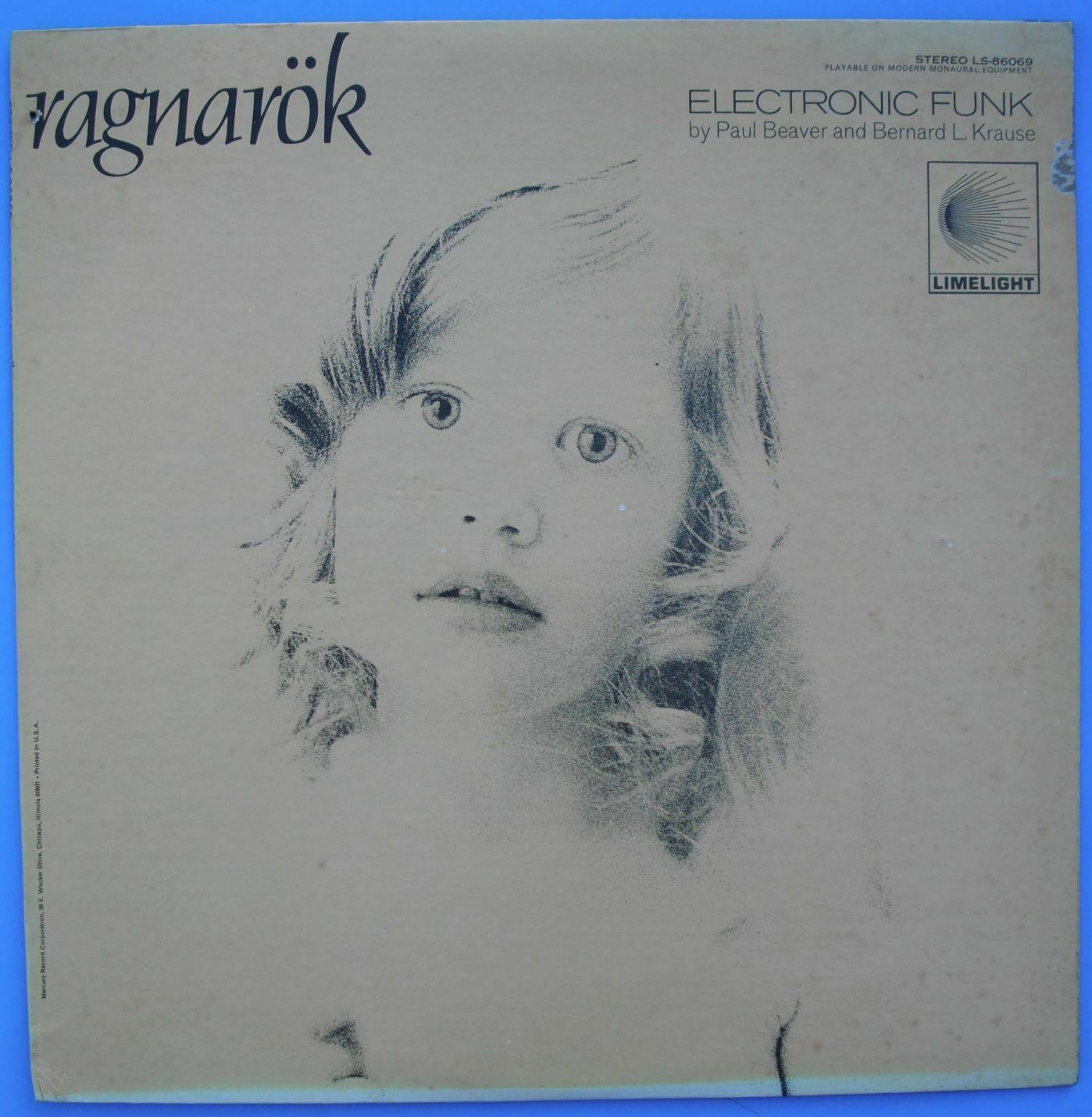
BEAVER & KRAUSE “RAGNARöK” LP RARE 1968 MOOG SYNTHESIZER LIMELIGHT COOL
$
20
Favourite Auctions
To save auctions to your favourites, please login
If you don't have an account, please register
Description
BEAVER & KRAUSE
RAGNARöK
LABEL: LIMELIGHT (MERCURY)– LS 86069
RELEASE DATE: 1968
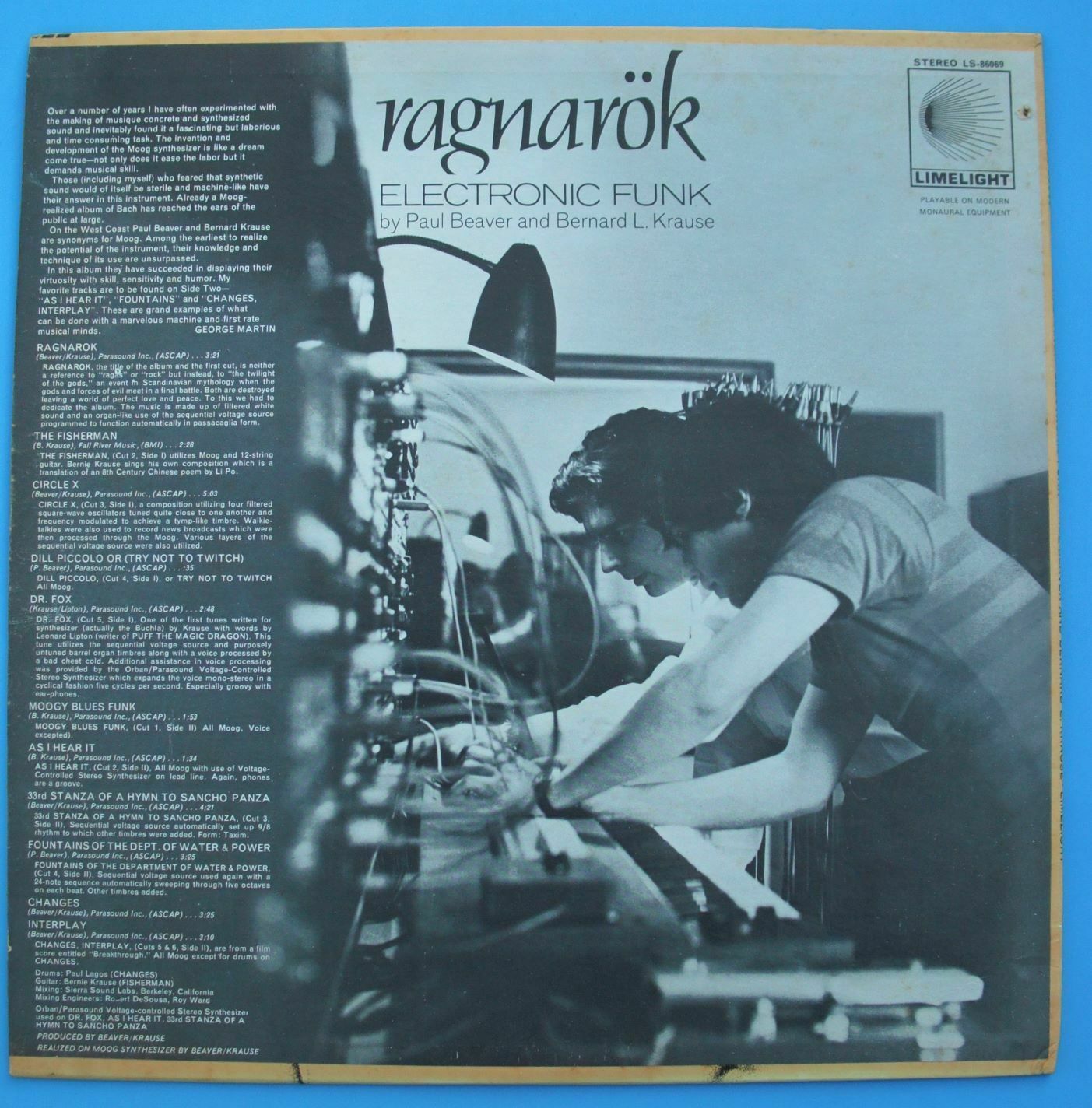
LINER NOTES: GEORGE MARTIN
This auction is for the rare 1968 album 'Ragnarok' by Beaver & Krause. An electronic, Psych, Moog, synth and Prog Holy Grail.
Beaver & Krause “Ragnarök" rare 1968 release. Long out of print.
In the world of electronic music, the names Beaver and Krause are revered to an almost mythical level.
Beaver & Krause were an American musical duo comprising artists Paul Beaver and Bernie Krause. Both were drawn to the creative potential of electronic musical instruments. The birth of electronic music can be traced largely to one man: Dr. Robert Moog, the visionary engineer and scientist who created the Moog synthesizer.
Beaver & Krause knew Robert Moog well and were his sales representatives on the U.S. West Coast. They were instrumental in popularizing the Moog synthesizer during the late 1960s.
Beaver and Krause, however, were more than just west coast sales reps for Moog. They were accomplished musicians and in 1967 they released the hugely significant, ‘The Nonesuch Guide to Electronic Music’ a synth-demonstration box set which spent 26 weeks on the classical charts in the USA and introduced many to the new sounds of the Moog.
In 1968, Krause and Beaver cut Ragnarök, their masterpiece and, maddeningly, their hardest release to obtain. It’s never been re-issued or released on CD and is very hard to find.
This is a very nice copy of that original 1968 release and is in quite good condition. An essential LP for any Psych, electronica, prog or soundtrack collection.
On the back cover, Beatles producer George Martin rhapsodizes about B&K’s Moog prowess: “Among the earliest to realize the potential of the instrument, their knowledge and technique of its use are unsurpassed.” The late studio wizard was on point.
In the world of electronic music, the names Beaver and Krause are revered to an almost mythical level. On this rare album, it is not difficult to see why. This rare album demonstrates the pioneering talents of these early Moog artists.
This album is an entrancing mixture of both the bucolic and the earthy, woven into a soundscape of Moog synthesizers. Beaver and Krause created this musical odyssey as one which is interesting and challenging without being threatening.
The album has a score-like feeling that Bernie Krause acknowledged when he said that the album was a soundtrack to a film that was never made.
This album contains a fascinating blend of accessible tracks and experimental synthesizer sounds which have become the pair’s hallmark. A truly creative and imaginative collaboration.
***************
Dropping the needle on Ragnarök is like a step back in time and technology.
Following the spookyness of “Ragnarök,” you get serenaded by the folky ballad on Moog and 12-string guitar that is “The Fisherman.” It features Krause’s vocals and lyrics that derive from an 8th-century poem by Chinese writer Li Po.
“Circle X” is an incredibly ominous piece of imaginary horror-flick music. “Dr. Fox”—featuring kooky lyrics by Leonard Lipton, author of “Puff, The Magic Dragon”—is one of the zaniest electro-pop/pseudo-circus-music jams you (n)ever did hear.
Heard while tripping on acid, “Dr. Fox” will reduce you to tears of hysterical laughter, especially the part where Krause sings, “Dr. Fox built the freaking brain box that freaks me out/Every time he plugs me in, I spin, I spin, I spin [chuckle], I spin” over bleeping-and-blorping synth spasms.
Similarly, you will not keep a straight face when hearing “Moogy Blues Funk,” an absurdly jaunty old-time ditty that’s gussied up with thickly distorted Moog belches. By contrast, “As I Hear It” boasts a beautifully wistful melody.
“Fountains Of The Dept. Of Water & Power” is a veritable wonderland of Moog-y ostinatos while “33rd Stanza Of A Hymn To Sancho Panza” conjures vertiginous space-synth menace. “Changes” and “Interplay”—which come from a film score called Breakthrough—are alternately whimsical synthesizer studies, with a rare use of drums on the former.
(( Thanks to ‘Jive Time Records’ in Seattle for the above review ))
********************
Getting the Moog accepted by the music community was not easy. Its early use was limited to its goofy and kitchy application to songs almost as a joke. Strange Moog based covers of Oldies, Beatles, and pop hits were released and were not taken seriously. The Moog was a gimmick, not an instrument.
Even when musicians or film-makers wanted to use Moog sounds in their music, they often wanted to re-use sounds they heard on other recordings and scores rather than create or compose new sounds. It was hard to re-create and replicate sounds on the early machines. The machines were big, moody and complicated and artists didn’t want to take time to learn how to use them, they just wanted a sound bite to add to their music.
Beaver & Krause found most musicians and producers unwilling to experiment with the complex machine. Therefore, it was hard to get the Moog accepted as a true instrument, not just a sound bite generator. Dick Hyman and Wendy Carlos were some of the first to take the Moog seriously. Others slowly followed.
The Musician’s Union actually attempted to take legal action against Beaver & Krause to stop the use of the Moog. The Union was concerned that a machine was taking the place of actual performers and threatening their livelihood. A ‘restraint of trade’ case. The Union lost when B&K pointed out that the same argument failed when Hammond organs outfitted with rhythm boxes premiered in the 30’s. They were an instrument, not a replacement for musicians.
*******************
Paul Beaver was already an established artist with several soundtracks and scores to his name when he started to experiment with electronic sounds.
Bernie Krause was a child prodigy from Detroit. He played in the folk group The Weavers, did studio work at Motown and then continued his musical education at the San Francisco Tape Music Center at Mills College with a series of lectures and workshops on electronic music offered by Karlheinz Stockhausen and other early pioneers.
It was here Krause’s interest in electronic music came to the surface and he soon found himself in New York City visiting Eric Siday, a composer who had purchased one of the first Moog synthesizers from the R.A. Moog Company in Trumansburg, NY. When he experienced the massive Moog synthesizer firsthand at Siday’s studio, he knew he heard his future calling loud and clear.
A phone call from Elektra Records president, Jac Holzman changed his life. Paul Beaver, a veteran of the music and soundtrack world, had recently been hired by Holzman for a special recording project that involved electronics, poetry plus a full band for a musical concept album based on the twelve signs of the zodiac called “Cosmic Sounds.” Holzman introduced the two artists. Upon their first meeting, Beaver and Krause immediately connected and were soon flying to upstate New York together to meet the inventor of the Moog synthesizer, Robert Moog, to discuss his instrument and weigh the benefits of purchasing one outright.
They were immediately convinced of its potential and after pooling together all their available funds not only procured a top of the line Series III Moog Synthesizer, but Beaver also became assigned Moog’s West Coast sale representative.
Once set up with their own Moog to experiment with at their own pace, Beaver and Krause soon found prospects for employment with their new instrument extremely elusive. As mentioned. It wasn’t immediately accepted in Music, film or TV. By the summer of 1967, they weren’t getting much business so they decided to rent a booth to preview the Moog Synthesizer at a three-day event Lou Adler and John Phillips of The Mamas & The Papas were organizing called the Monterey International Pop Music Festival.
On the trip to Monterey, Krause and Jac Holzman discussed the potential use of the Moog in music. Holzman proposed a deal for he and Beaver to record a sort of Moog audio guide with accompanying notes that he would then release on Elektra’s auxiliary Nonesuch label. This idea would be ambitiously reworked as Beaver & Krause’s first album, the double LP “Nonesuch Guide to Electronic Music.”
Their booth was a big hit. A mob of musicians, producers and hippies all waited for their turn on the headphones to hear this strange, new and mind-blowing device produce all manner of strange, new and mind-blowing sounds. By the time it was all over, many artists had either arranged for Beaver & Krause to appear on their upcoming recording sessions, placed orders for their own synthesizers or both.
As history would show, those three days were a total success for many artists and it was no different for Beaver and Krause: by the time they returned from Monterey to Beaver’s L.A. studio, they began work on their album for Nonesuch while the demand for their talents and equipment had already surged overnight.
The previous flood of rejection notices from record, film and television companies were now all replaced by a matching flood of urgent calls scheduling them with studio time for sessions. A month after Monterey, Roger McGuinn hired Beaver and his synthesizer to appear on tracks for what would become The Byrds’ “Notorious Byrd Brothers” album. In November, Beaver performed on The Monkees’ “Star Collector” and he set up a Moog for The Doors on the song “Strange Days.” Even Simon & Garfunkel were interested as was Mick Jagger.
Beaver also participated in sessions for The Electric Flag’s soundtrack of “The Trip,” Hal Blaine’s “Psychedelic Percussion,” Emil Richards’ “Stones” album and The Zodiac’s “Cosmic Sounds” LP, the first appearance of a Moog on a Rock album.
Krause sold a Moog III to George Martin, producer of the Beatles, and another to George Harrison during the latter's 1968 visit to California, where Harrison was producing an album by Apple Records artist Jackie Lomax.
Krause played a key role in helping Harrison record his 1969 Moog-powered solo LP “Electronic Sound” for the Apple spin-off label Zapple. Side two of that LP was essentially Krause giving Harrison a synth tutorial and demonstration, which Krause had no idea would be recorded and released.
After their successful demonstration at Monterey Pop, they signed to Warner Brothers in 1970 and released the classic trilogy of albums that most people know them by. These albums represent some of the most significant musical collaborations of their time.
“In a Wild Sanctuary”, “Gandharva” and “All Good Men” were created between 1970 and 1972. They are hard to find individually but were recently re-issued as a CD box set on Cherry Red records. These three albums provide an evocative showcase of the all-pervading influence and legendary status that Beaver and Krause enjoy in the annals of electronica. “Gandharva” was partly recorded in Grace Cathedral in San Francisco and included musical contributions from Gerry Mulligan, Bud Shank, Mike Bloomfield and Ronnie Montrose, blending Jazz, Rock and Electronica for the first time on record.
The pair were now able to exploit the growing fascination among rock and pop musicians for the new synthesizer sounds. The duo were also in demand as film and television soundtrack performers. In addition, they led workshops at the Beaver & Krause LA studio attended by film composers and session keyboardists.
The Moog idea took off from there and the rest, as they say, is history.
The creative duo’s career was unfortunately cut short by the untimely death of Paul Beaver in 1975.
*****************
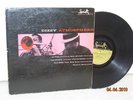
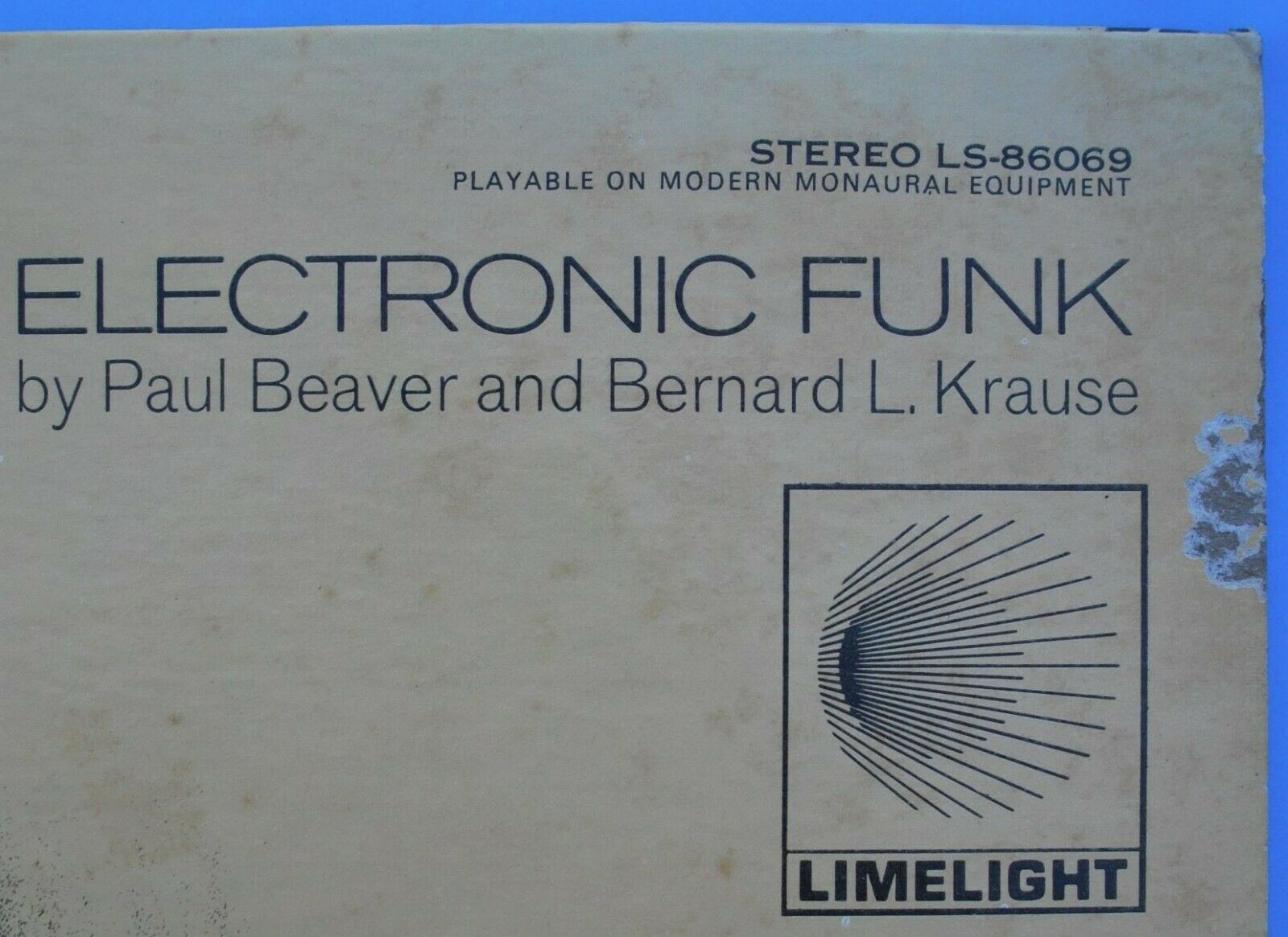
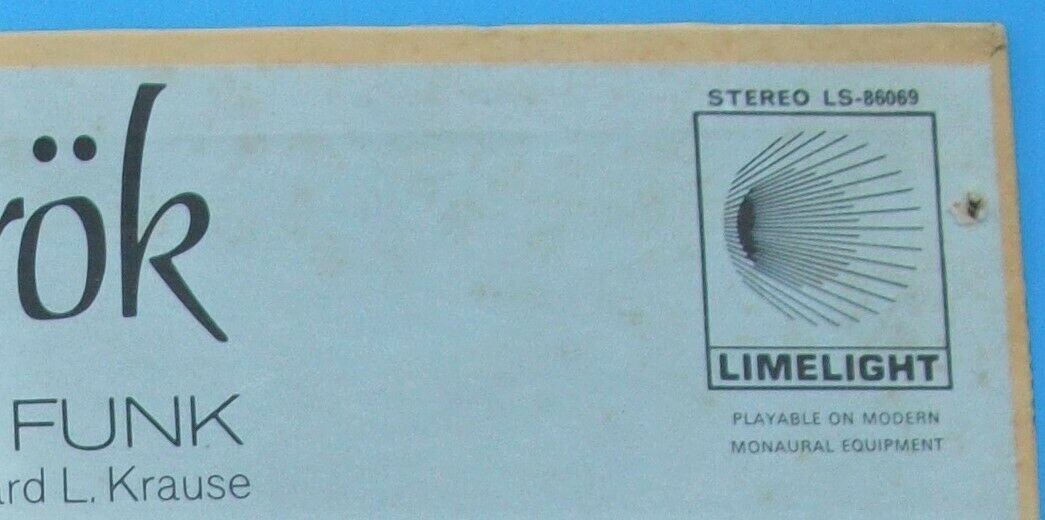
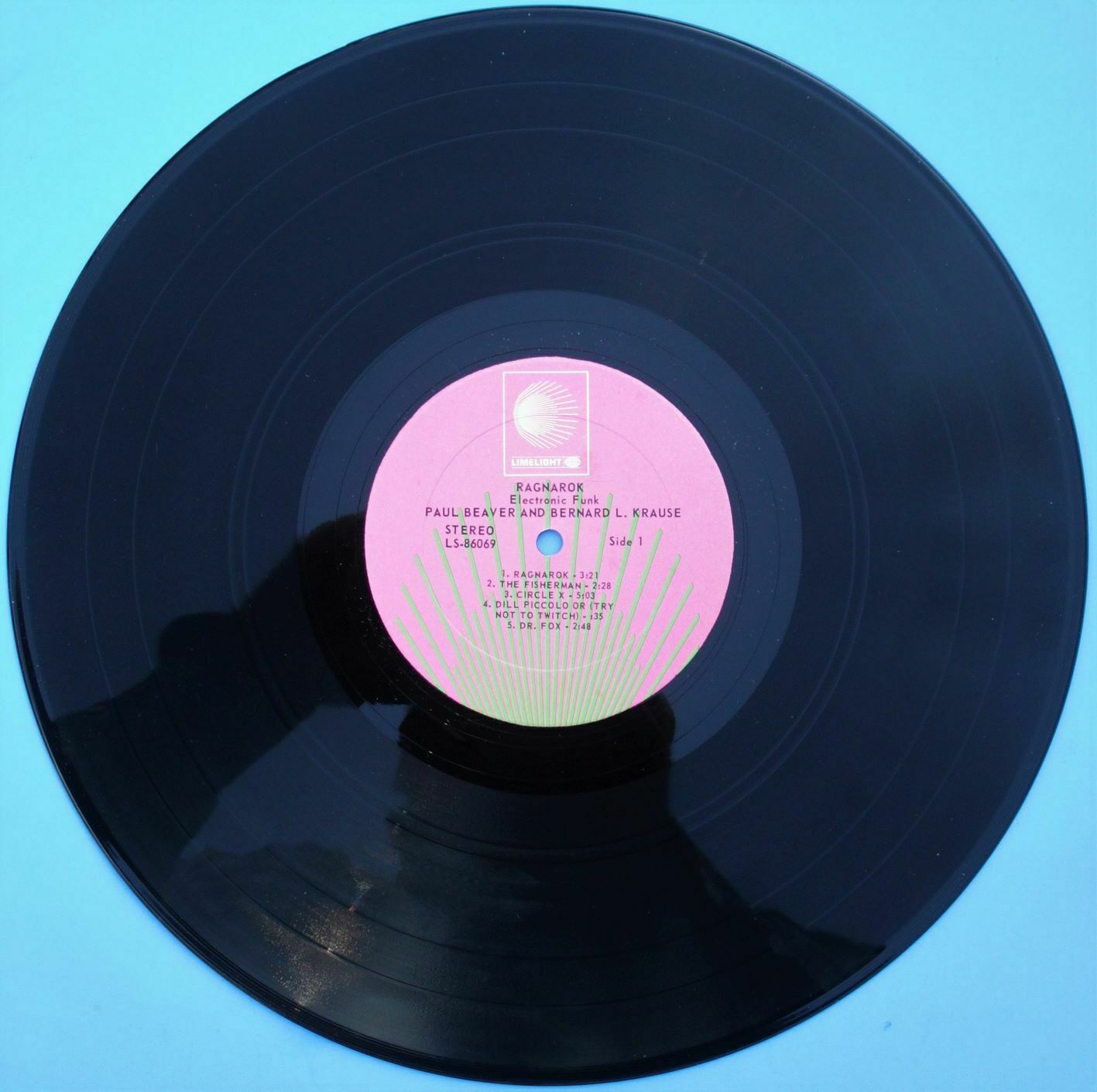
Condition. Vinyl is Ex- to EX. Looks clean and sounds great. On the cool pink limelight label. No obvious defects. Cover has BB-Hole in top left and a small scuff in the upper right. (see photos) Slightly 'bumped' bottom left corner. All minor issues given the rarity of this LP. I've never seen another in the wild.
I’m retired and downsizing and letting go some gems from nearly 50 years of record collecting. Check out the many other fantastic 45s and 33s on my page!
Shipping cost within the lower 48 states is $5.00 (five) via USPS media mail. Shipping costs are ridiculously pricey these days. I will be glad to ship international for whatever the exact cost to do so is. We can talk after the auction is over and work out the details. I do NOT gouge on my shipping charges. It costs what it costs.
If you would like insurance, or anything faster than media mail,(Priority mail, First class), please let me know and I can arrange it for you. I’ll work with you to make sure you’re happy!
All LP's come with generic white paper inner sleeves and simple poly-bags, unless otherwise noted or pictured. I do try to match up proper, appropriate generic company sleeves with my 45’s and LP's and I’ll gladly include them if I have them.
All items are packaged with sturdy cardboard mailers and filler pads. I take pride in my packaging and shipping and pack my records as if I were sending them to myself. I refuse to use cheap flimsy packaging material when sending my records. I treat them as if they were my own and mail them the same way.
All records have been cleaned and played by me. I visually inspect all records under bright light, personally clean them and then play them on a modern high-end turntable to get a true picture of condition. I'm a 0ne-man operation, this is a hobby, not my job. I do this for fun. I do this because I love music, love collecting vinyl and want others to share in that same experience. I take my time listening, researching, grading, listing and packaging. I will NOT sell any record that I personally would not want in my collection.
I’ve been told by other vinyl collecting friends that I under-grade the condition of my records. I see no harm in that. If that VG+ record comes and it’s nicer that you thought, great! We’ve all been burned by that EX- record purchase only to get it and it looks like it was cleaned with sandpaper and played with a rusty nail. My goal is to avoid that ever happening to me or you ever again. My grading is fair and honest and I will ALWAYS refund you for anything you’re not happy with. I have had nearly 3,000 happy and satisfied EBay customers over the years and I have been buying/selling on ebay for over 15 years, so please bid with confidence!
All orders are processed and shipped within 2 business days of receipt. We package and ship our vinyl records with the greatest care, using extra-thick packaging to ensure that your rare and collectible vinyl records arrive in pristine condition.
Payments are preferred by PAYPAL which is fastest & easiest
I will be happy to exchange feedback with anyone I complete a transaction with. If you would like to get feedback, I ask that you let me know we've completed the transaction by leaving feedback for me after you receive your item, at which time I will do the same for you!
price rating